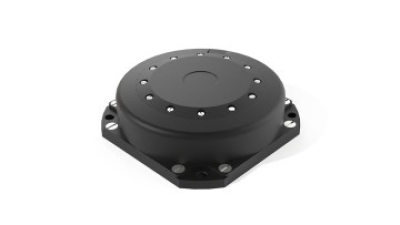
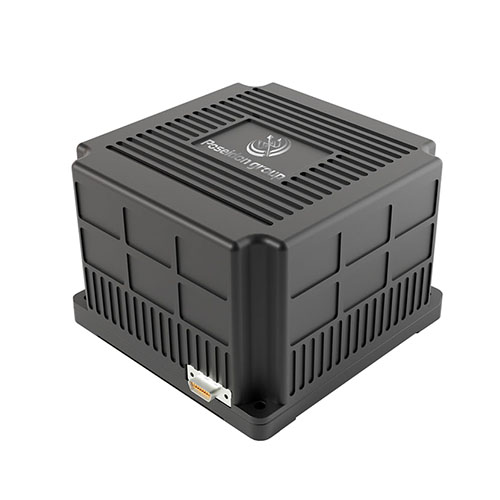
 TBSD60
 BSD120
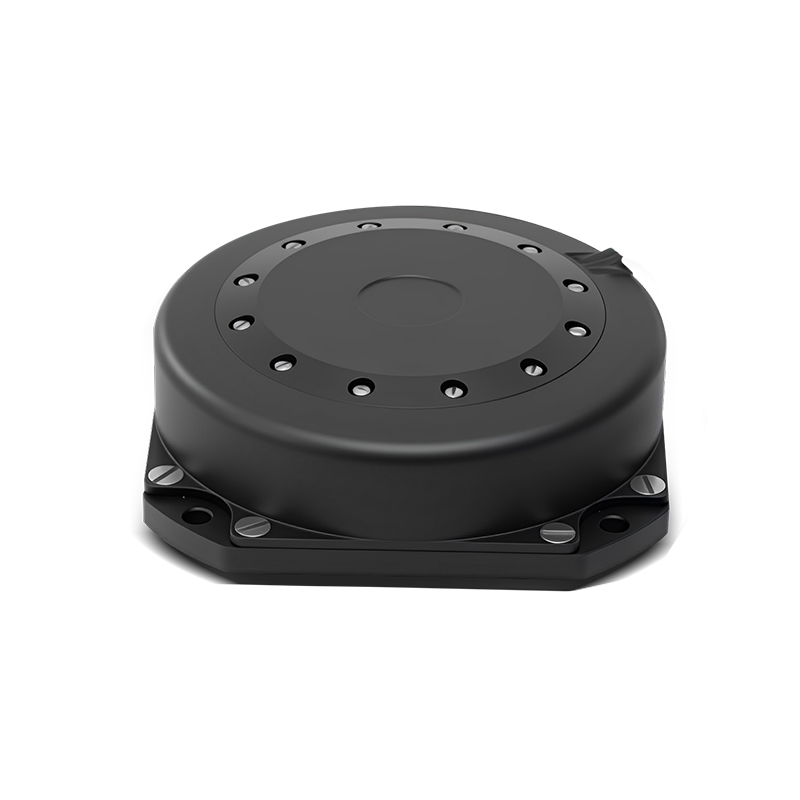 BSD98
BSD98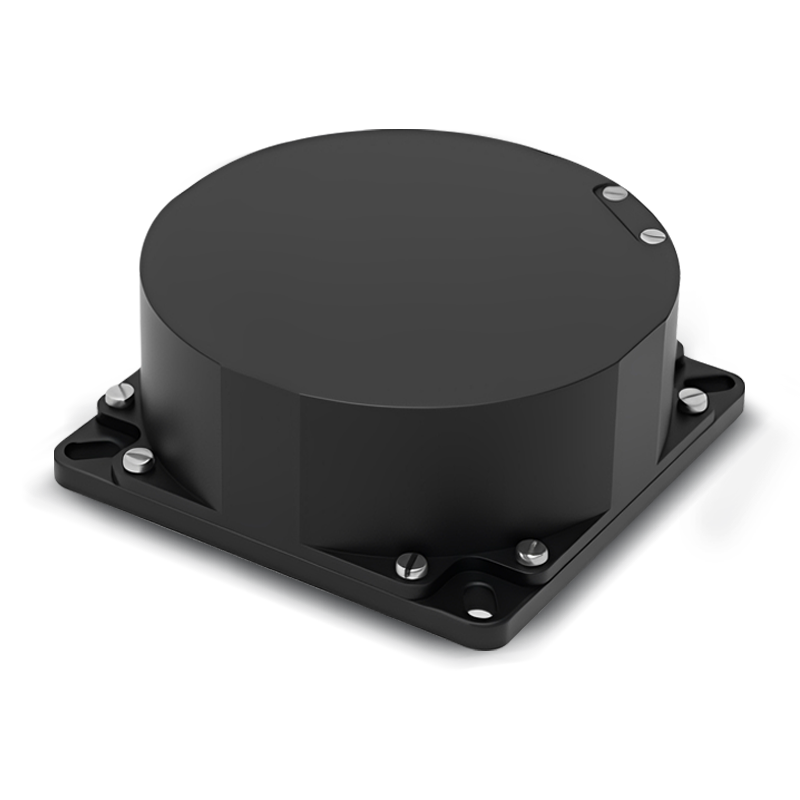 BSD70
BSD70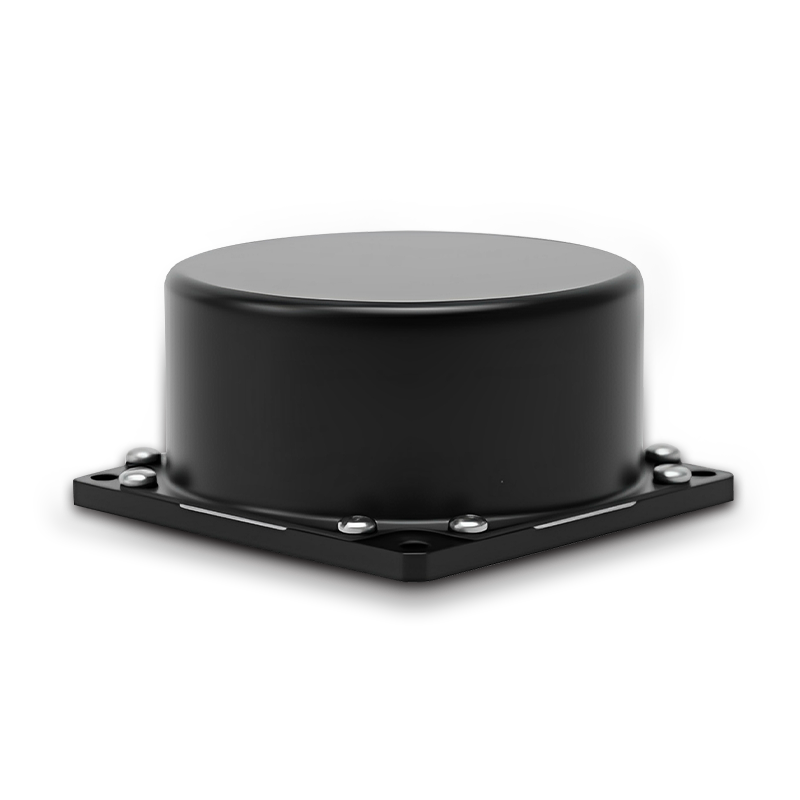 BSD60
BSD60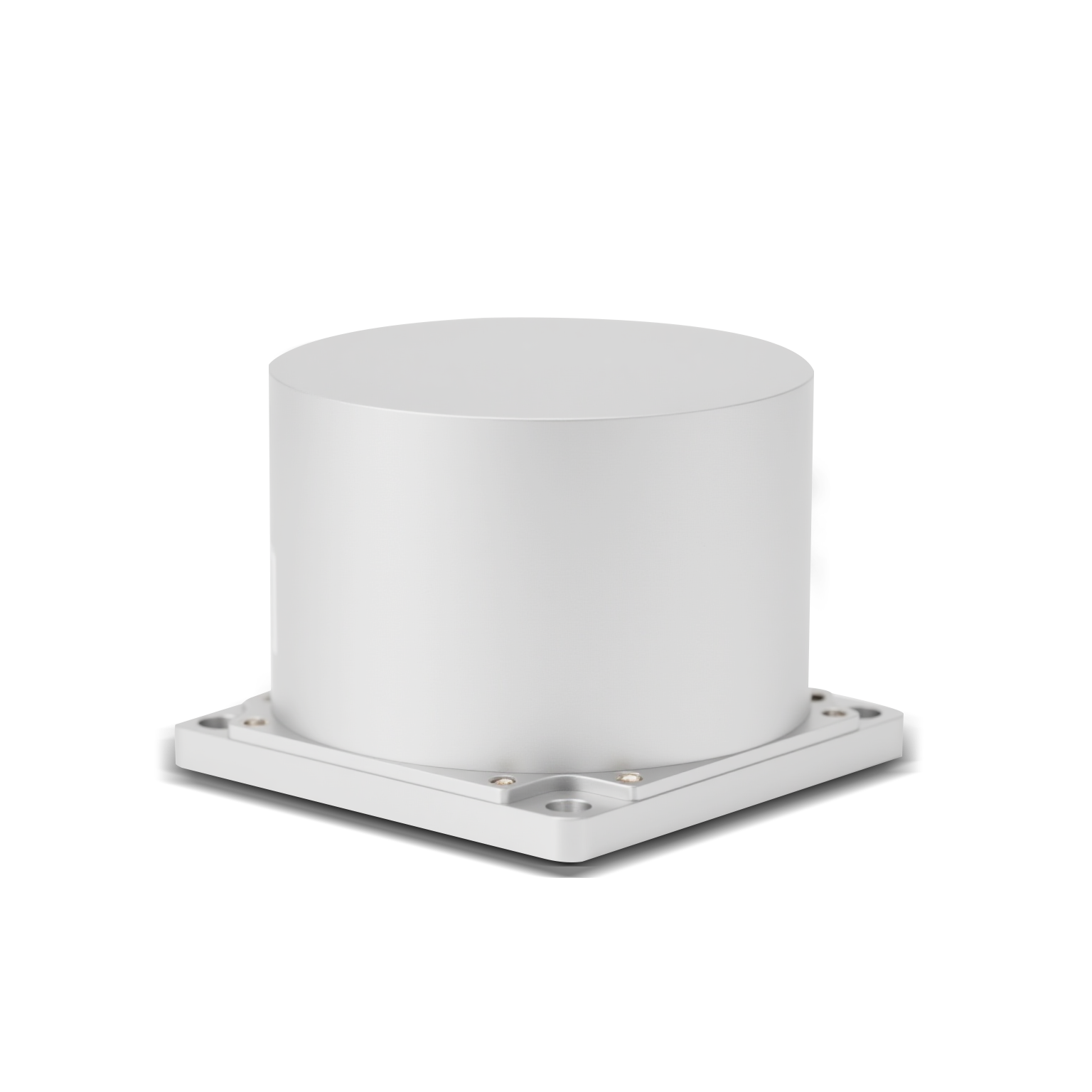 BSD50
BSD50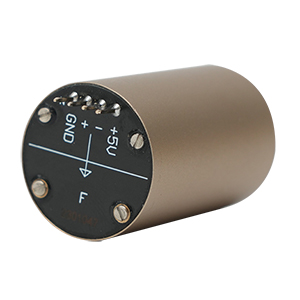 BSD217
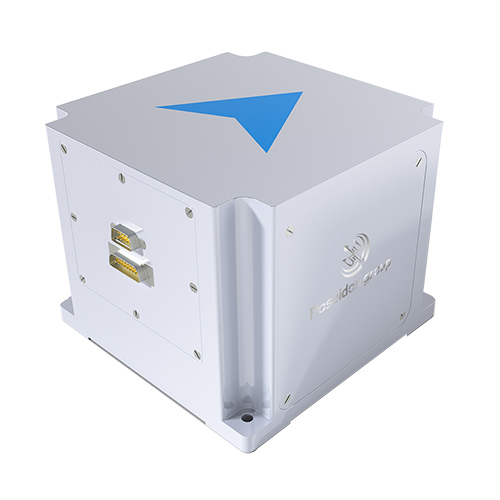 INS1700
 INS970
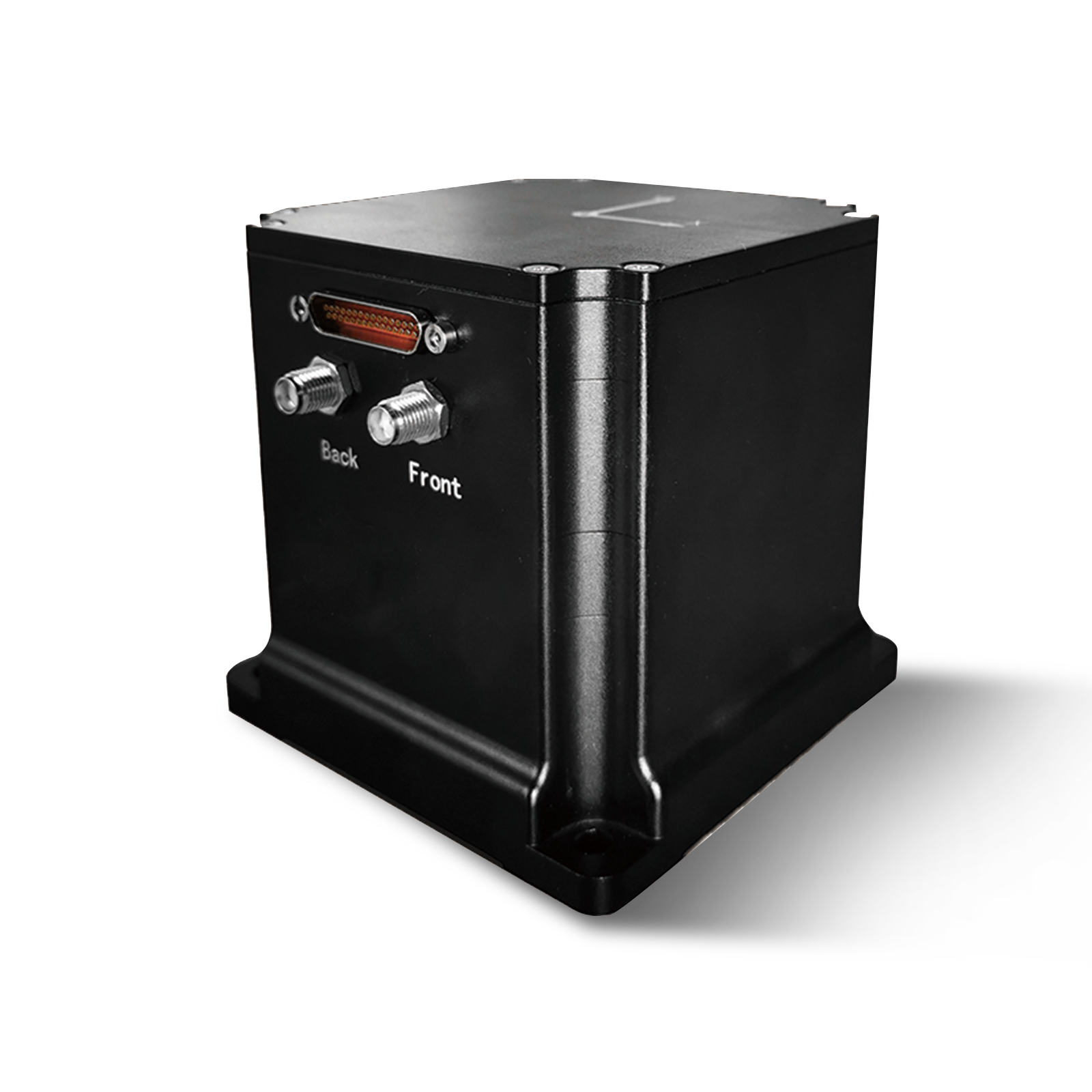 INS570
 INS170
 SLA-4B1L1-65
 SLA-4B1L1-130
 SLA-8B1L1-165
 DIVER 101
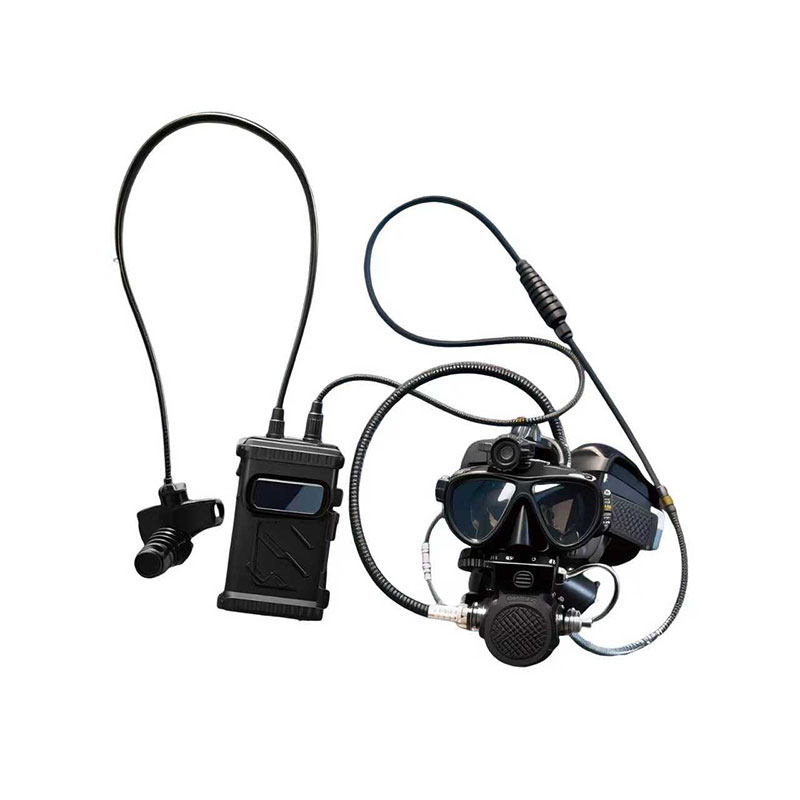 DIVER 102
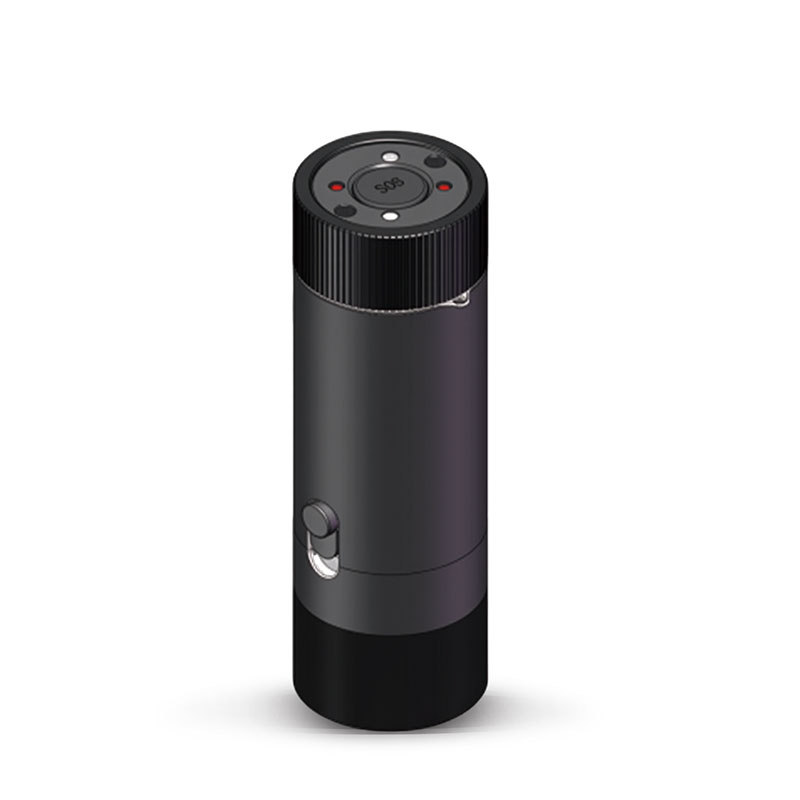 DIVER 103
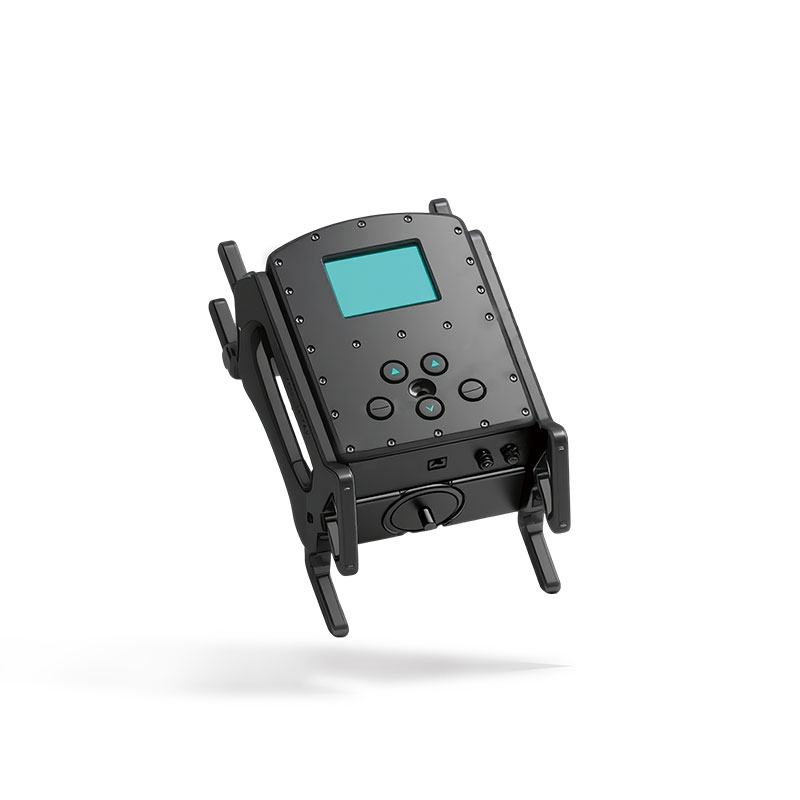 DIVER 104
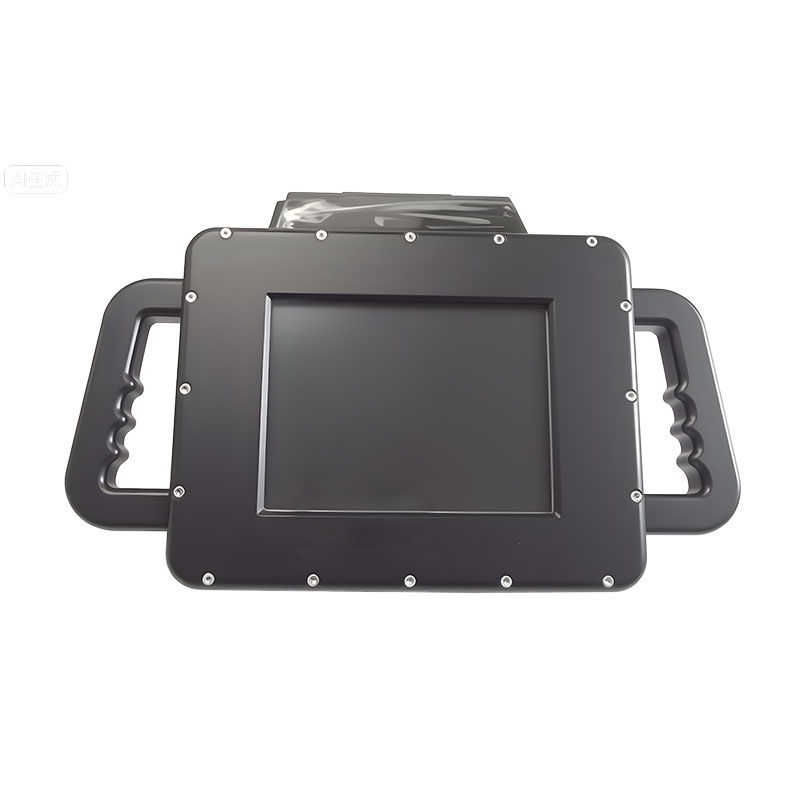 DIVER 105
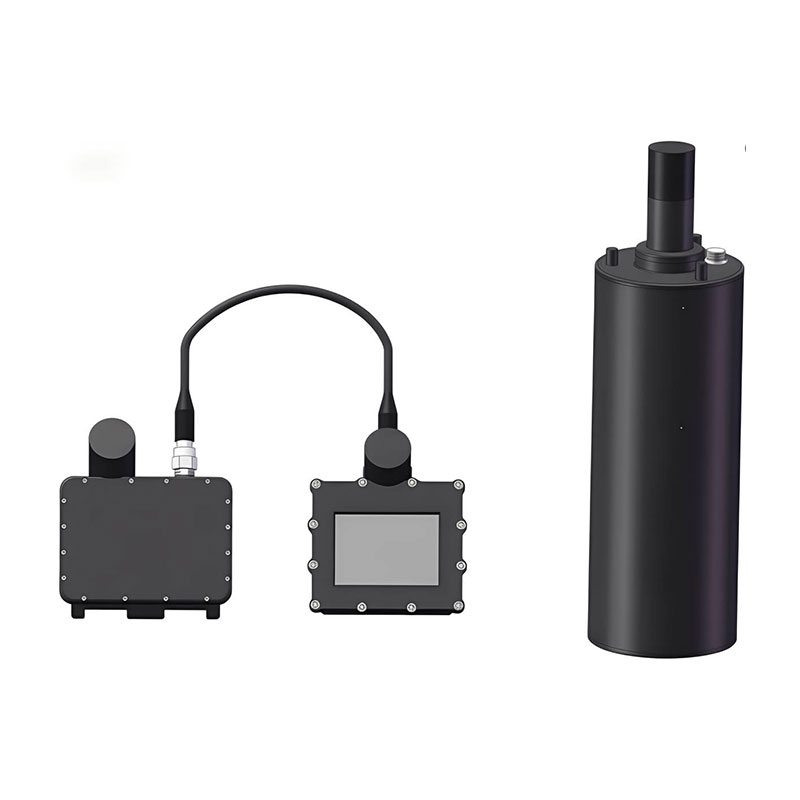 DIVER 106
 SLLR3000
 SLLR905
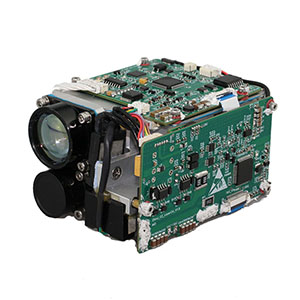 SLLD25
 160M
160M 170M
170M SLFC-70
 SLAF280
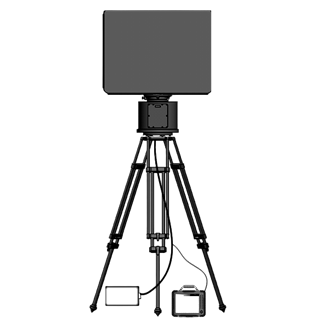 MR360
MR360
Leave Your Message
You know, as more and more industries really start to depend on super precise navigation solutions, the importance of Inertial Reference Units (IRUs) just keeps growing. I came across a report from MarketsandMarkets that says the inertial navigation system market could hit around $10.7 billion by 2025. That really shows how everyone’s leaning more and more on advanced sensors—whether it’s for aerospace stuff or self-driving cars.
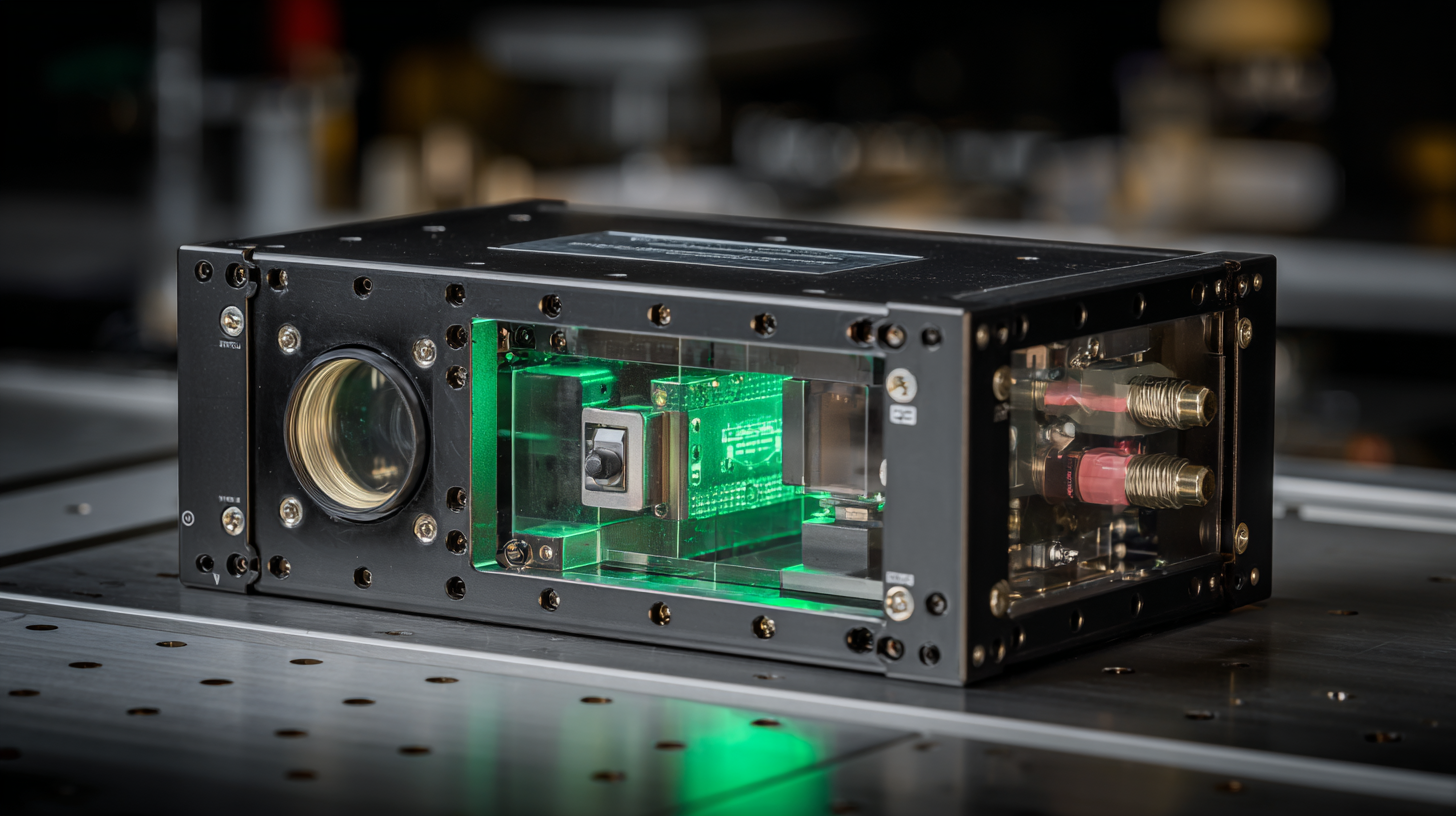
And speaking of innovators, Poseidon International Group, based in Hong Kong and founded back in 2013, is definitely leading the charge here. They’re big on doing their own research, designing, and actually producing fiber optic gyroscopes (FOG) and INS – kind of like taking the reins themselves rather than relying on outside vendors. They've even secured some pretty impressive patents, showing they’ve got that innovative edge needed to stay competitive as tech continues to evolve.
Moving forward, it’s clear that integrating the latest tech isn’t just about better accuracy—it’s going to totally change the game when it comes to autonomous systems and how industries manage control and navigation systems. It’s a pretty exciting time, honestly.
Lately, the way Inertial Reference Units (or IRUs) have evolved really changed the game when it comes to modern navigation. They first came around for military stuff, but over time, they've gotten a serious upgrade in sensor tech, making them way more accurate and reliable across different fields like aviation, boating, and even cars. A big part of this boom comes from the use of MEMS sensors — tiny, affordable, yet powerful components that help keep things compact and cost-effective without sacrificing performance. Because of this, IRUs are now within reach for all sorts of applications, completely changing how we navigate through tricky environments.
Thanks to these advanced sensors, IRUs can process data on the fly and resist interference from things like signal drops or tough environmental conditions. This is especially a big deal for autonomous vehicles and systems, where old-school navigation methods often just don’t cut it. When you combine inertial sensors with GPS, computer vision, and other tech, you get navigation systems that are incredibly precise. As more people start wanting navigation solutions they can really count on, IRUs are only going to get more important, paving the way for the future of how we move around — and honestly, we’re just beginning to see what’s possible.
| Technology Level | Sensor Type | Accuracy (Degrees) | Cost Estimate ($) | Application Areas |
|---|---|---|---|---|
| Basic | MEMS | 2-3 | 50-100 | Consumer Electronics, Robotics |
| Intermediate | Fiber Optic | 1-2 | 200-500 | Aerospace, Marine Navigation |
| Advanced | Ring Laser | 0.1-0.5 | 1000-3000 | Defense, High-End Navigation Systems |
| Cutting Edge | Quantum | 5000+ | Emerging Transportation, Space Exploration |
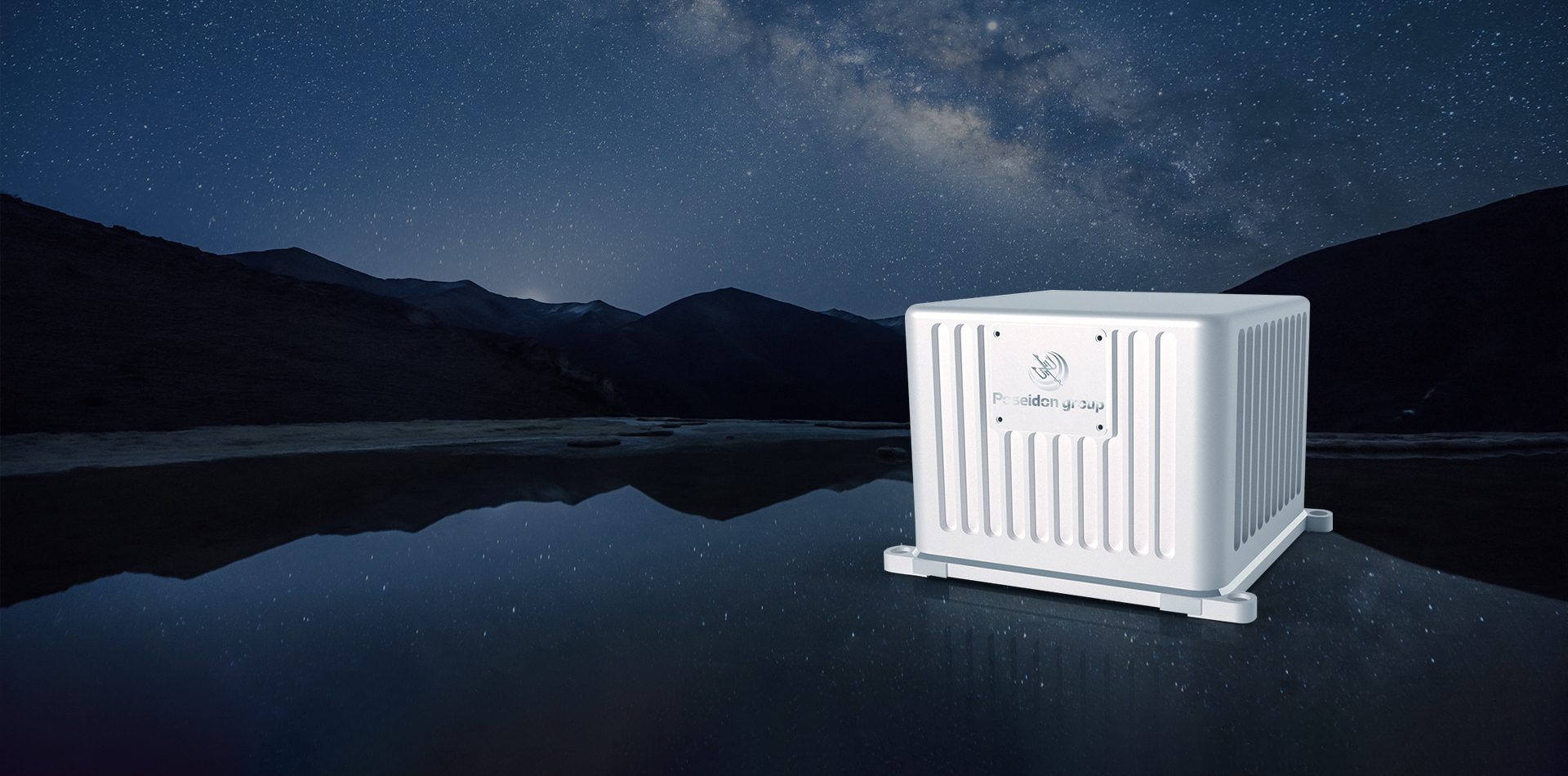
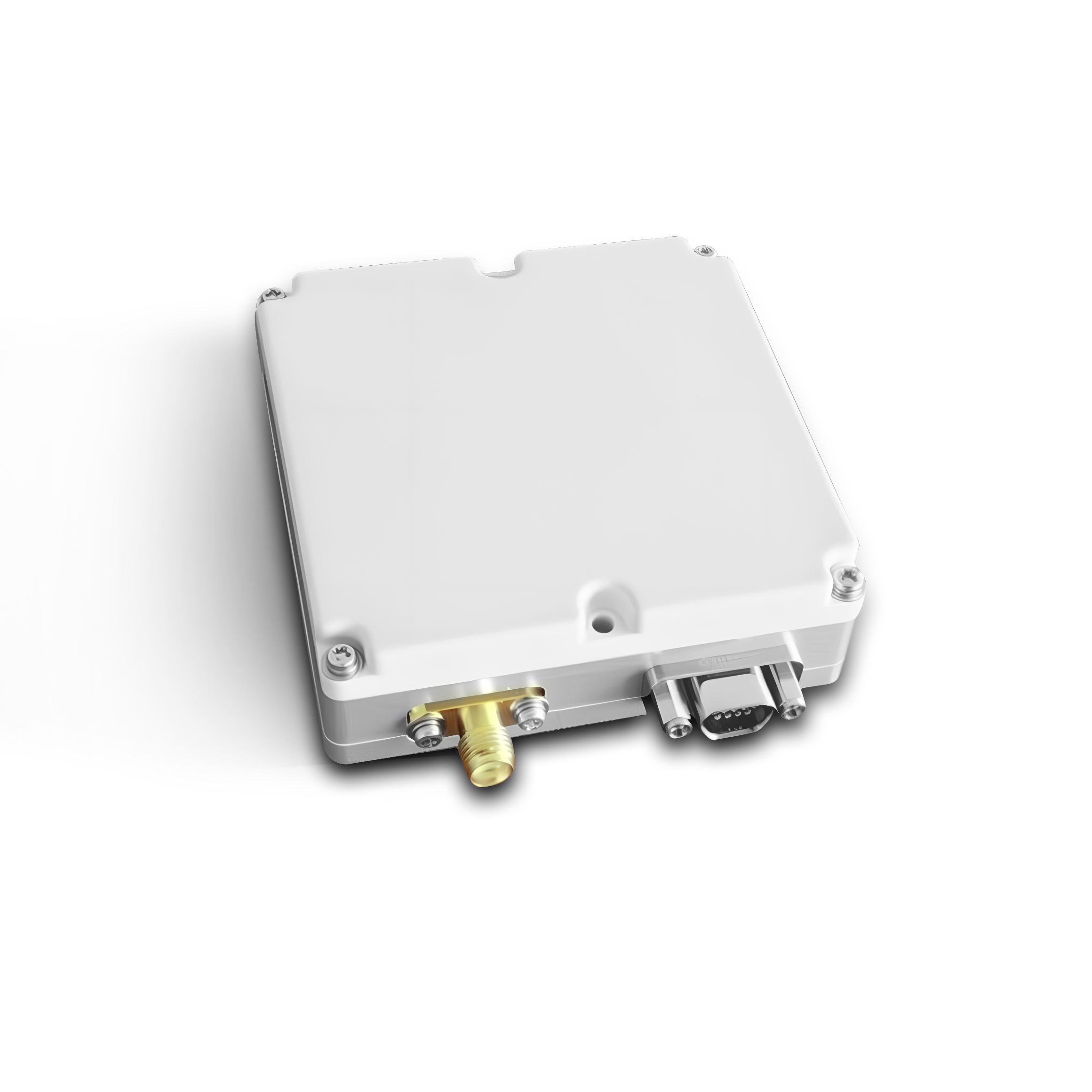
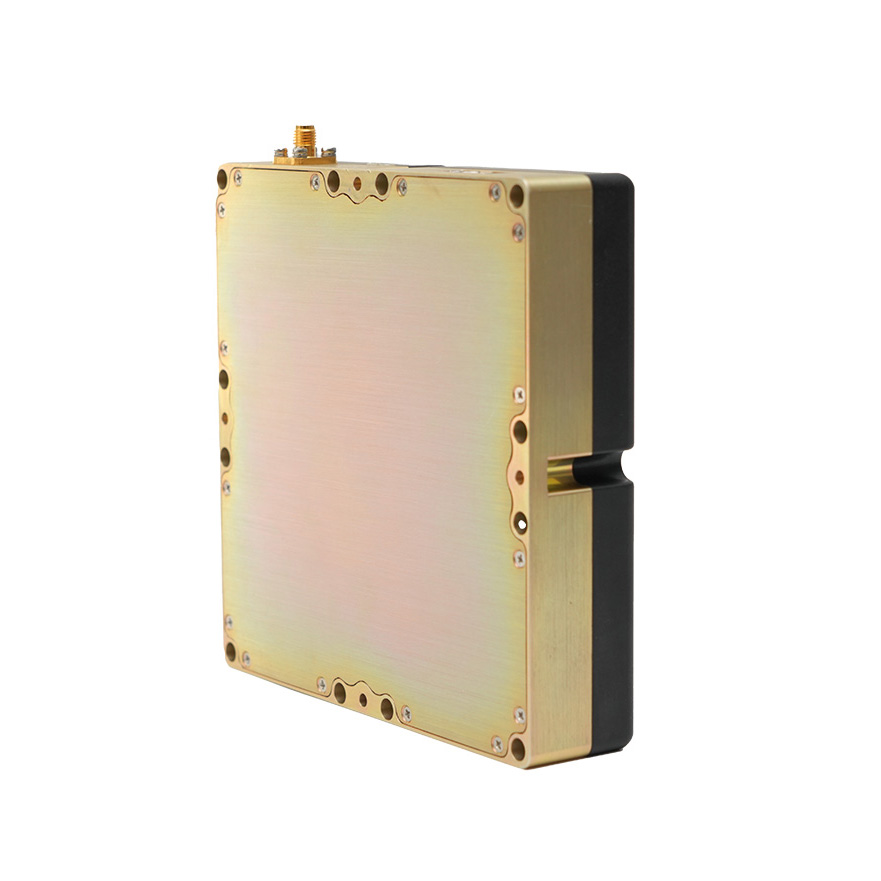
In the realm of unmanned aerial vehicles (UAVs), optimization of performance hinges substantially on the precision and reliability of navigation systems. One exemplary solution is the Poseidon BSD120 Inertial Navigation Sensor, which utilizes advanced fiber optic gyroscope technology. Fiber optic gyroscopes are notably fast to start, possess a wide measurement range, and offer heightened reliability compared to traditional systems. The Poseidon BSD120 stands out with a remarkable zero-bias stability of 0.01°/h to 0.05°/h, achieved with just 10 seconds of smoothing. This level of accuracy is critical for applications requiring meticulous motion tracking and orientation, particularly in challenging environments.
The compact design of the BSD120 (98mm × 98mm × 35mm, weighing less than 470g) further enhances its suitability for UAV applications. Reports indicate that UAVs equipped with high-performance inertial navigation systems can achieve up to 98% reduction in navigation error, significantly augmenting their operational efficacy. The robust performance characteristics of the BSD120—especially its capacity to withstand vibration and shock while maintaining rapid startup—are particularly advantageous for applications in autonomous vehicles and industrial automation. As the demand for reliable UAV navigation continues to grow, the Poseidon BSD120 exemplifies how leveraging cutting-edge sensor technology leads to remarkable advancements in operational performance.
: IRUs are advanced navigation systems that measure velocity, orientation, and gravitational forces to provide accurate positioning, initially developed for military applications.
The evolution of IRUs has been characterized by significant advancements in sensor technology, particularly through the integration of MEMS sensors, which improve accuracy, reliability, and accessibility in various industries.
MEMS contribute to the miniaturization and cost-effectiveness of inertial sensors while maintaining high performance, making them suitable for a wide range of commercial applications.
AI and machine learning enhance sensor data processing by filtering noise and improving accuracy through learning from historical data, leading to more reliable navigation systems.
Advanced IRUs are transforming navigation in several sectors, including aviation, maritime, automotive, aerospace, and consumer electronics.
The fusion of data from multiple sensor modalities allows IRUs to maintain situational awareness and function effectively even when GPS signals are absent.
Real-time data processing enables IRUs to adapt quickly to changing conditions and provide precise navigation outputs, which is critical for autonomous systems.
The advancements in IRUs have increased their reliability and accuracy, which are essential for the effective operation of autonomous systems that may struggle with traditional navigation methods.
The ongoing advancements in sensor technology, artificial intelligence, and data fusion will likely lead to even more precise, versatile navigation solutions across various applications.
Lately, Inertial Reference Units, or IRUs for short, have really come a long way. They’re now a pretty vital part of modern navigation systems. Thanks to big leaps in sensor tech—especially with fiber optic gyroscopes—IRUs are more accurate and reliable than ever before. Companies like Poseidon International Group in Hong Kong are leading the charge here, using cutting-edge algorithms to make inertial systems even better. They’re also finding new ways to blend IRUs with the latest navigation tech, which is pretty exciting.
Of course, developing the next-gen sensors isn’t all smooth sailing. There are some pretty tough technical hurdles to jump, but at the same time, the potential for breakthroughs—in things like autonomous vehicles or attitude control—is huge. As navigation tech keeps evolving, it looks like IRUs are set to shake things up even more, helping different industries run smoother and more efficiently than ever before.