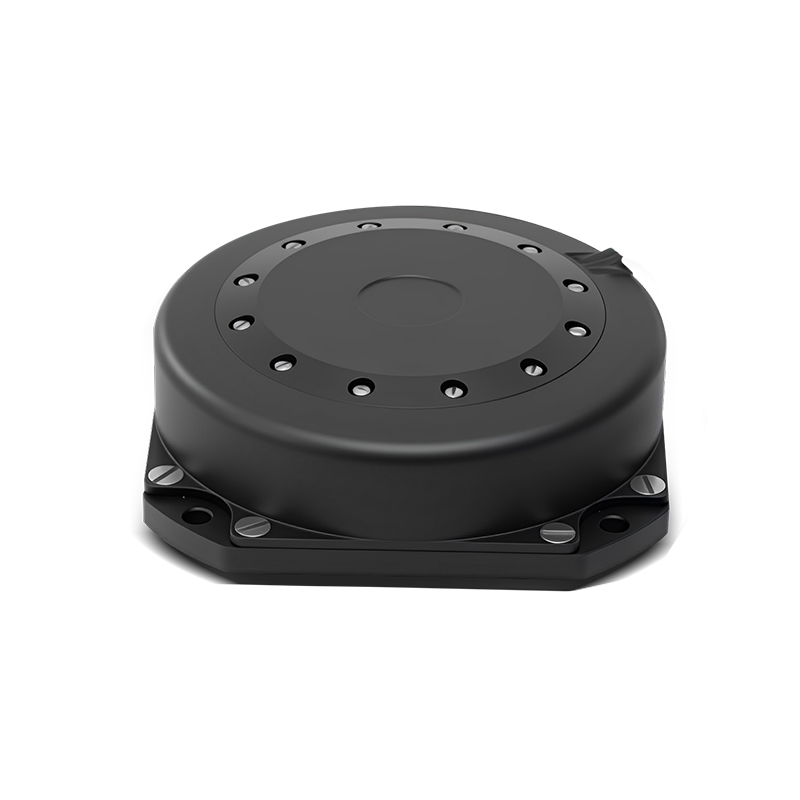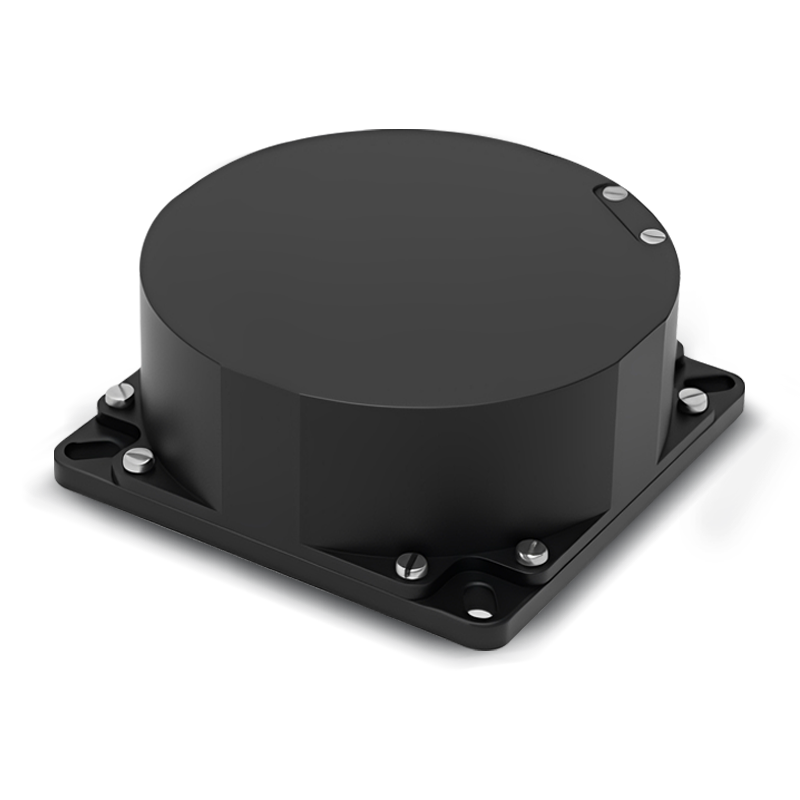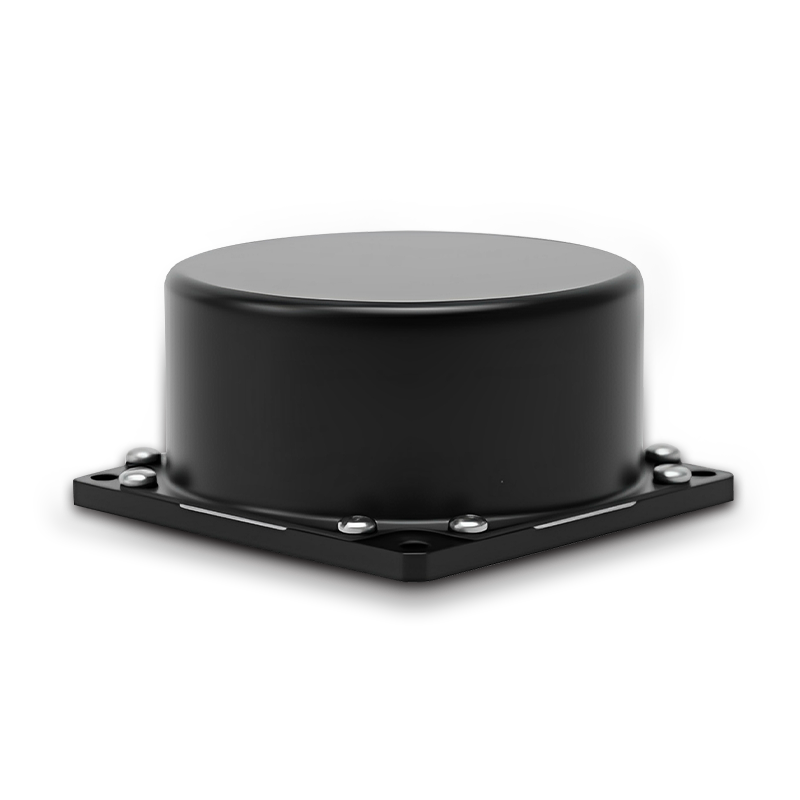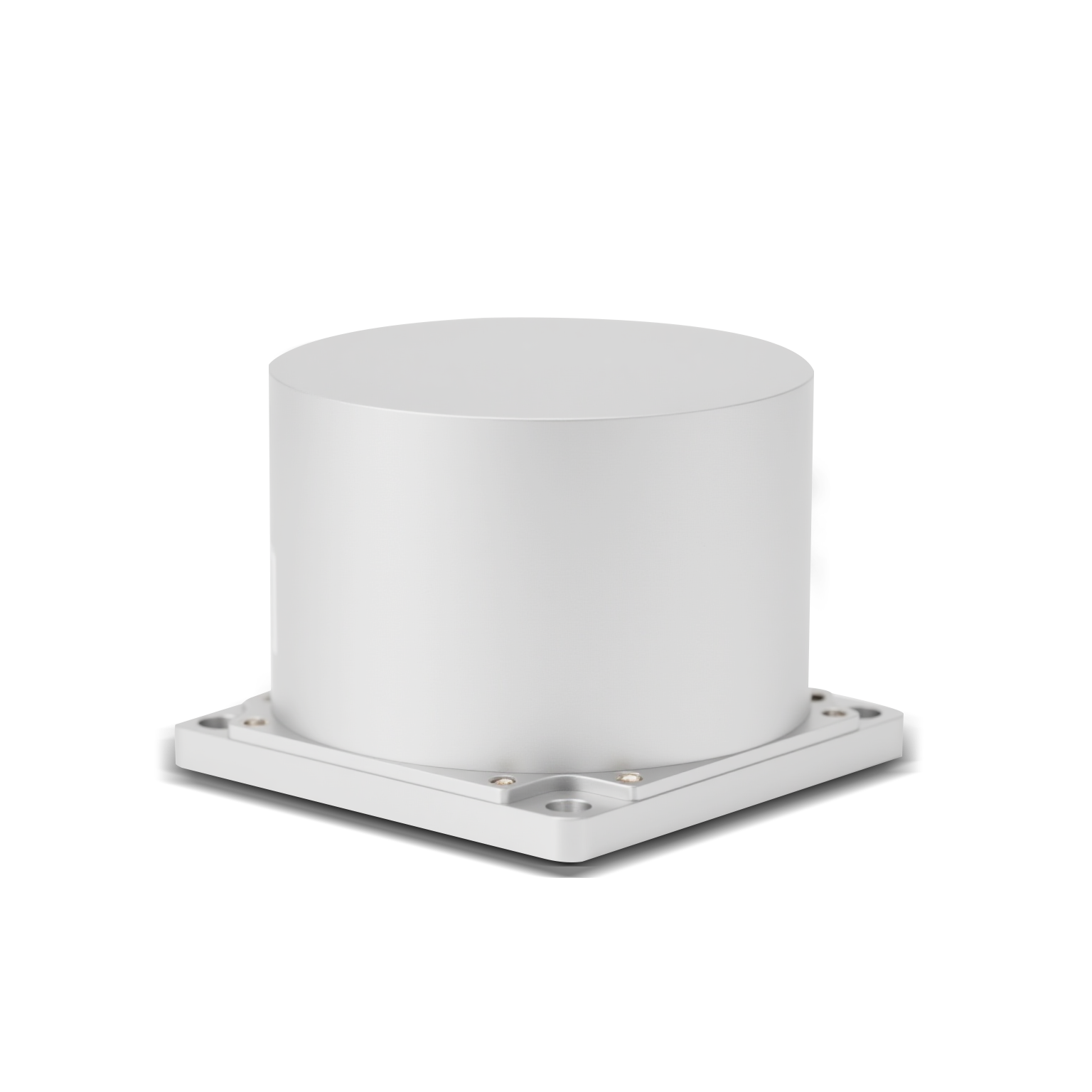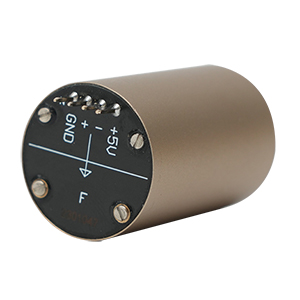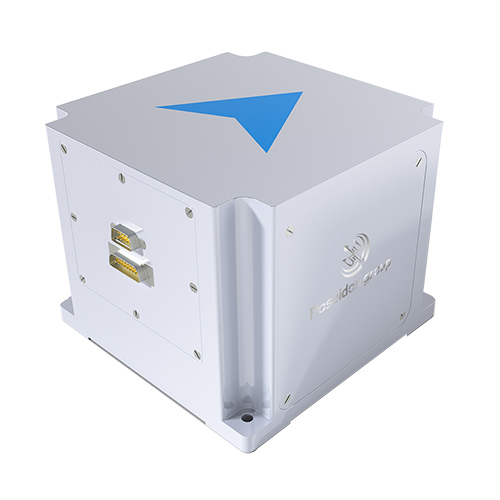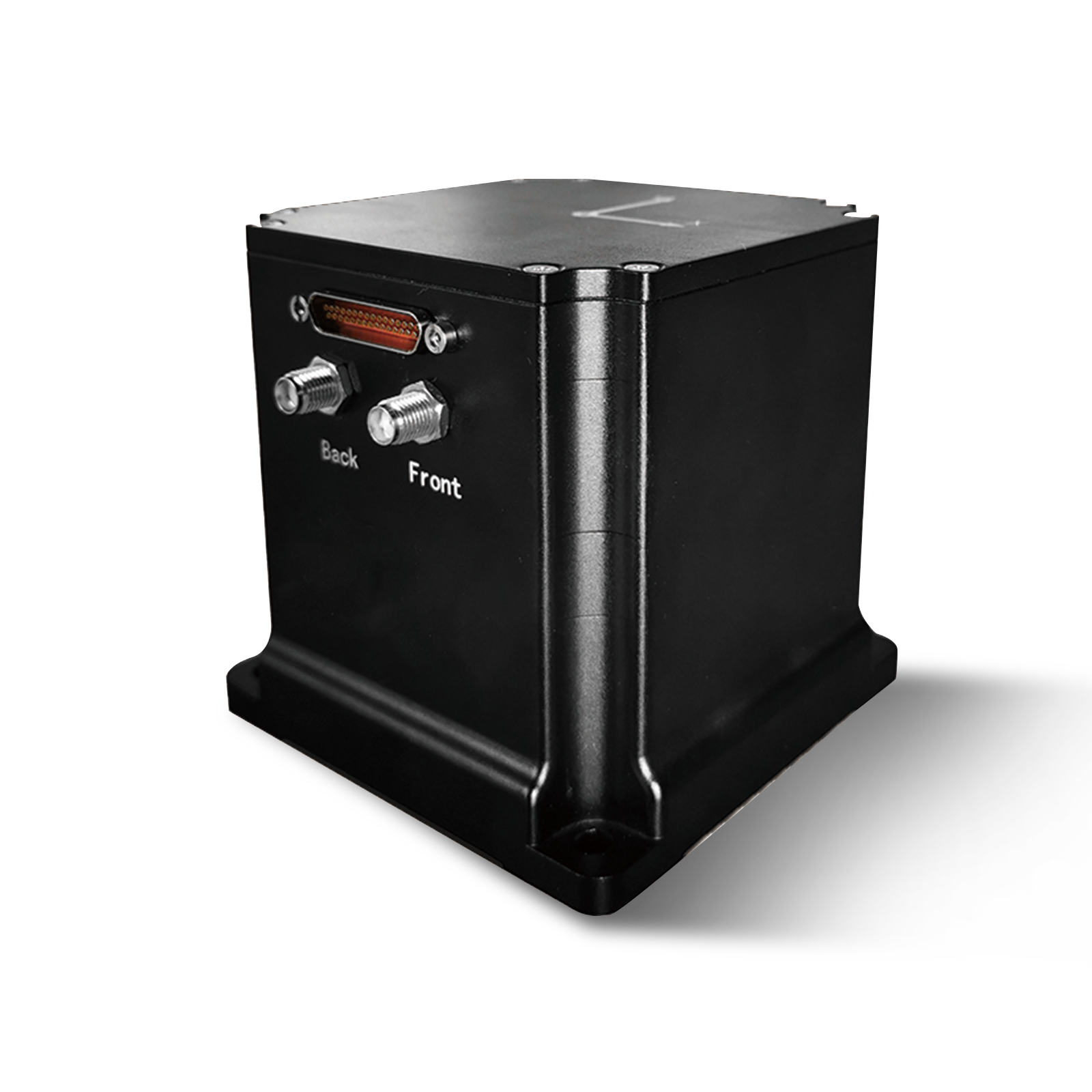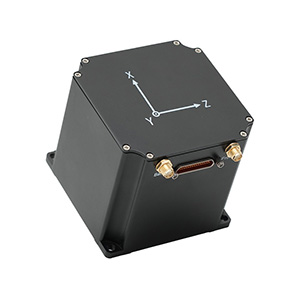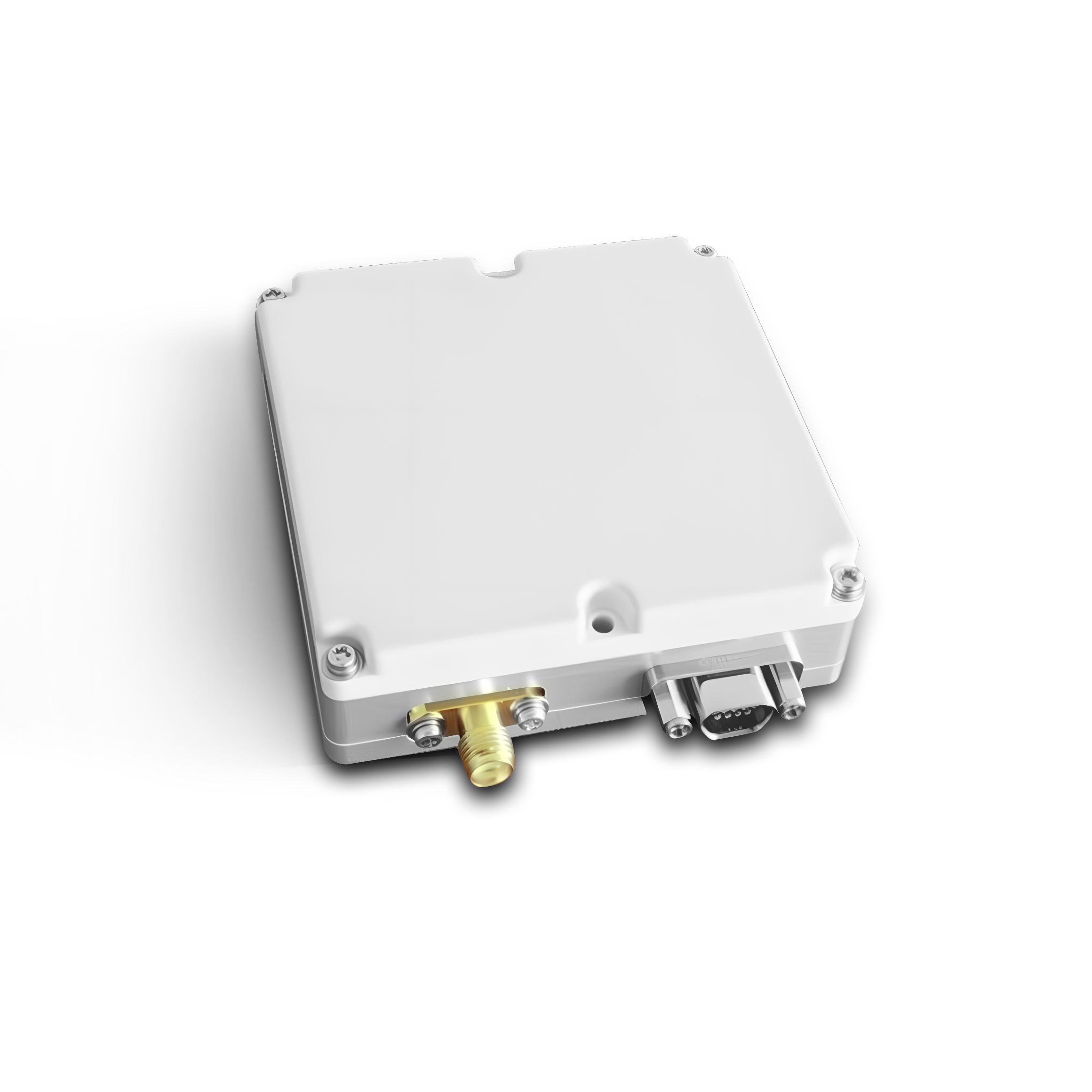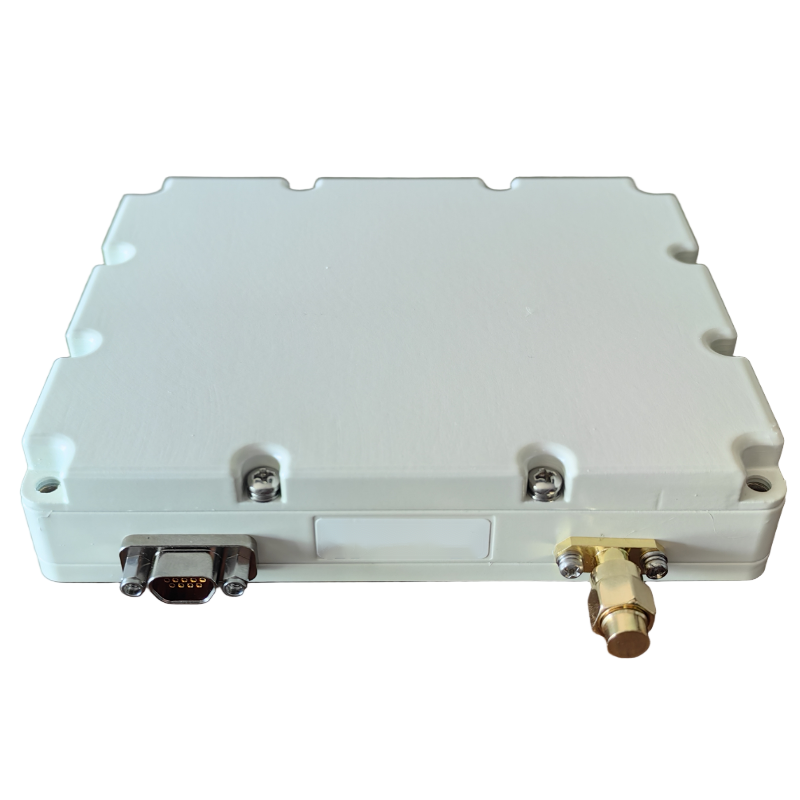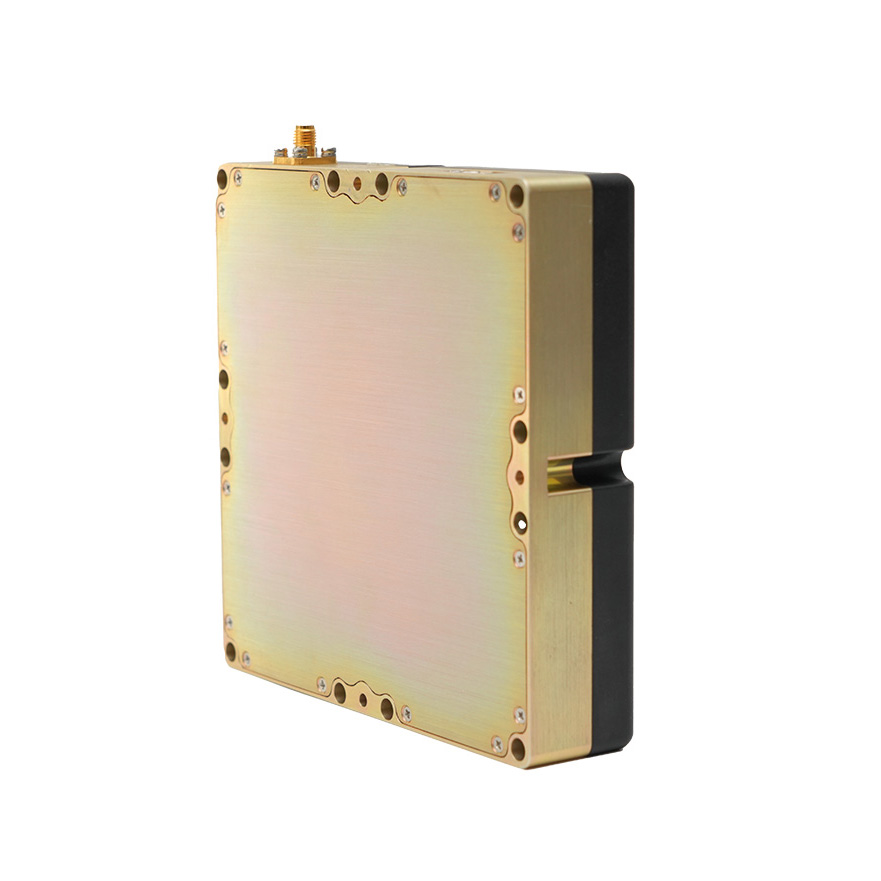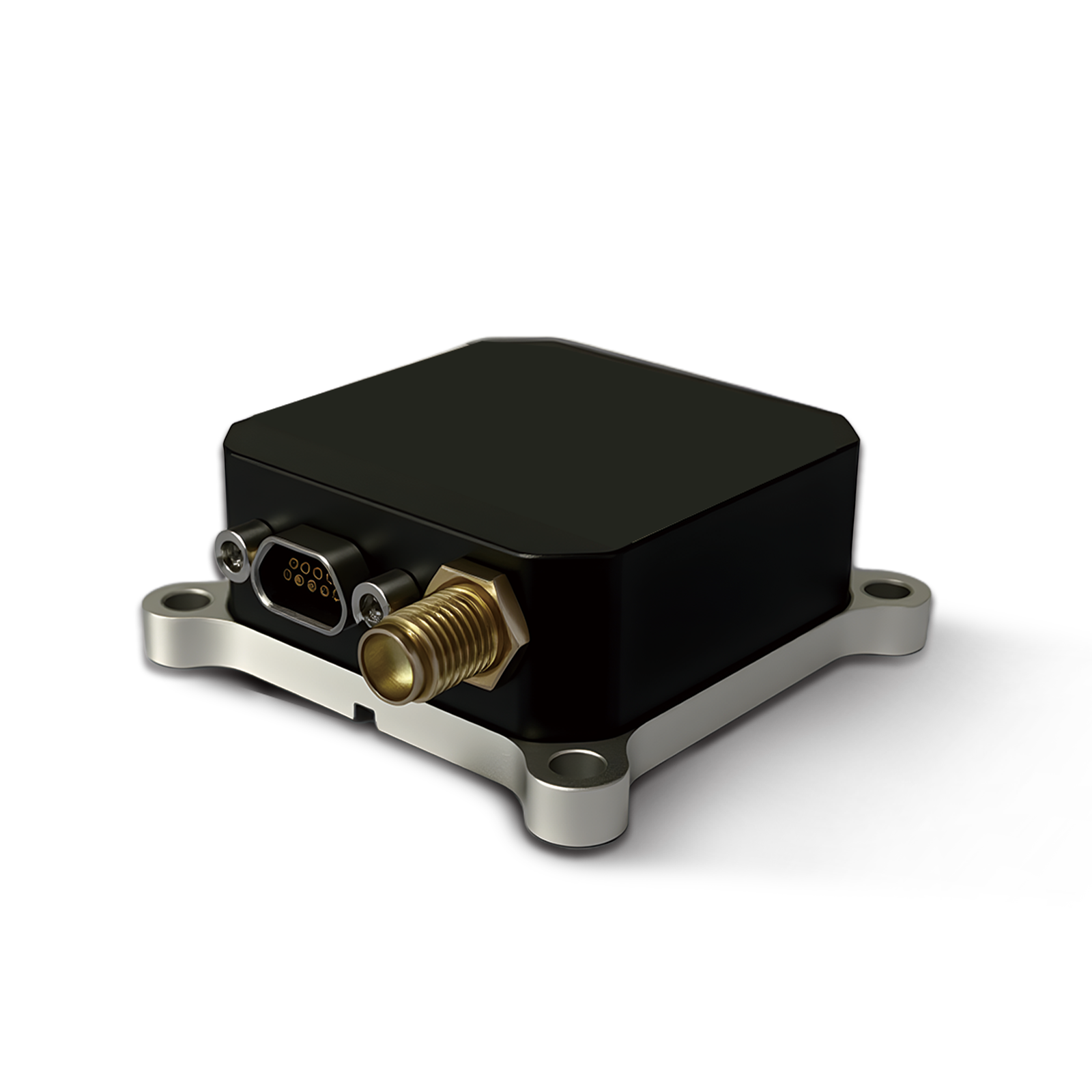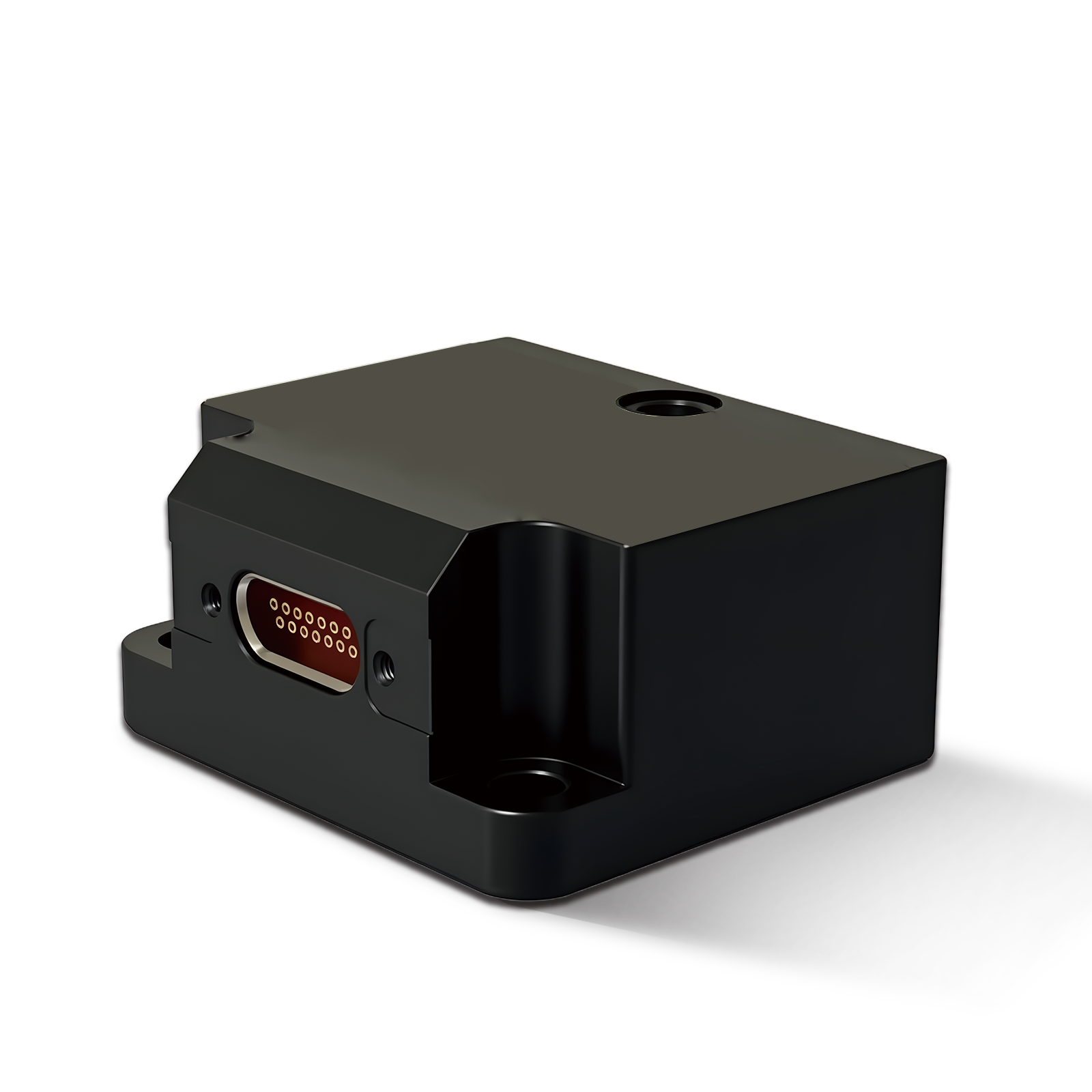
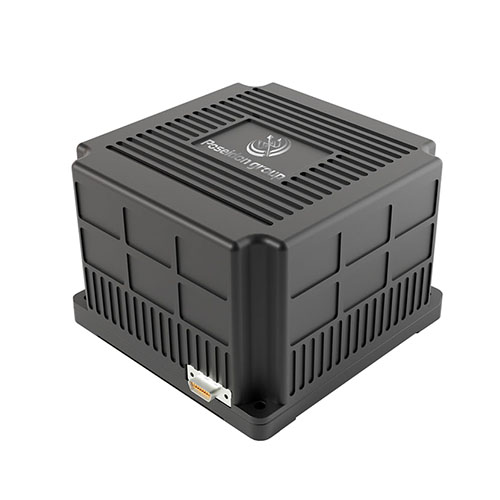
In the fast-moving world of motion tracking, IMU Inertial Measurement has really been catching people's attention lately. If you check out this link, you'll find more about it. I mean, experts like Dr. Emily Carter from MotionTech Corp keep stressing how crucial this tech is—she’s even said, 'IMU Inertial Measurement is key for accurate motion tracking across all sorts of applications.' Basically, it mixes accelerometers and gyroscopes to keep tabs on movement with impressive precision.
The cool thing is, IMU tech isn’t just sticking around in one place. It’s pretty much everywhere—think robots, wearable gadgets, you name it. It provides real-time data, so systems can react fast, which is super handy. But of course, it’s not all perfect—getting totally accurate readings is still a bit tricky. Things like signal noise or the sensors drifting over time can throw off the data. Still, engineers and scientists are constantly working on ways to improve reliability and cut down on errors.
If you’re diving into IMU tech, understanding how it works is a must. Honestly, it can feel pretty overwhelming at first. Calibration and decoding the data can be a real headache for beginners. But trust me, with some patience and practice, it pays off big time. This kind of technology is really opening doors to a smarter, more connected world, and exploring it is pretty exciting.
Inertial Measurement Units (IMUs) are crucial for understanding motion tracking in various applications. An IMU combines sensors like accelerometers and gyroscopes. These sensors measure movement and orientation in three-dimensional space. This technology is widely used in robotics, drones, and smartphones, providing real-time data on positioning and movement.
To effectively use an Imu Inertial Measurement Unit, it’s essential to consider sensor calibration. Poor calibration can lead to inaccurate data. Ensure the sensors are routinely calibrated in stable environments. Keep the IMU away from magnetic interference. This helps maintain reliability.
Data fusion techniques can enhance accuracy by combining data from various sources. Using algorithms allows for smoother motion tracking. Implement filters such as Kalman or complementary filters for better results. This approach can help mitigate errors caused by sensor noise. Always test the system under different conditions to evaluate performance. Fine-tune as needed for optimal functionality.
An Inertial Measurement Unit (IMU) Sensor comprises critical components that contribute to precise motion tracking. At the heart of an IMU are accelerometers and gyroscopes. Accelerometers measure linear acceleration, while gyroscopes assess angular velocity. Together, they enable the sensor to track position changes accurately. According to industry reports, IMUs have improved motion tracking accuracy by up to 85% in various applications.
When using an IMU for motion tracking, consider sensor calibration. Proper calibration can enhance measurement precision. Small errors in calibration can lead to significant tracking inaccuracies over time. Research shows that uncalibrated sensors can exhibit deviations as high as 10% from actual motion in dynamic environments. Such discrepancies could distort real-time data analysis.
Tip: Regularly test your IMU setup in controlled conditions. Understanding how environmental factors influence sensor readings can help in refining motion tracking. Additionally, keep an eye on sensor data drift, as it can lead to cumulative errors. Reviewing data logs periodically can reveal patterns and anomalies that offer insights into potential adjustments needed for optimal performance.
| Sensor Type | Function | Measurement Range | Output Data Rate |
|---|---|---|---|
| Accelerometer | Measures linear acceleration | ±2g to ±16g | 50 Hz to 1 kHz |
| Gyroscope | Measures angular velocity | ±250°/s to ±2000°/s | 100 Hz to 1 kHz |
| Magnetometer | Measures magnetic field strength | ±2.5 Gauss to ±10 Gauss | 50 Hz to 1 kHz |
| Barometer | Measures atmospheric pressure | 300 hPa to 1100 hPa | 1 Hz to 10 Hz |
Inertial Measurement Units (IMUs) are essential for precise motion tracking. They work by measuring acceleration and rotation in three-dimensional space. Each IMU typically contains accelerometers and gyroscopes. These sensors capture how an object moves and rotates.
Accelerometers measure linear acceleration. They detect changes in velocity and direction. This data helps in understanding horizontal and vertical movements. Gyroscopes are crucial for tracking orientation. They sense the rotation angle and rate of the object. Combining these two types of sensors creates a comprehensive picture of motion. However, aligning data can be challenging. Small errors in readings can compound over time, leading to inaccuracies.
Improving accuracy requires regular calibration. This process can be tedious but ensures better performance. Researchers often experiment with advanced algorithms. They aim to refine motion detection. There are gaps in understanding how external factors influence measurements. Environmental conditions, like vibrations or magnetic interference, can affect sensor readings. Recognizing these limitations is key to enhancing motion tracking with IMUs.
Imu Inertial measurement units play a crucial role in motion tracking. To achieve accurate results, effective data processing techniques are essential. Filtering methods like Kalman filters help smooth out noisy sensor data. This enhances the precision of the motion tracking process. Complementing this, sensor fusion combines data from multiple sensors. It effectively improves the overall system accuracy.
When using IMU inertial measurement for motion tracking, keep in mind the calibration of your sensors. Calibration can significantly impact the reliability of your measurements. Regular recalibration should not be overlooked. Also, consider the environment where motion tracking occurs. External factors like vibration and magnetic interference can introduce errors.
Tips: Always validate your readings with known movements. This tests your setup’s accuracy. Be cautious of drift in measurements. Apply drift correction algorithms to improve long-term tracking accuracy. Lastly, document your process and results. Reflection is key to identifying areas for improvement in data processing techniques.
Integrating IMU data with other sensors can significantly enhance motion tracking accuracy. IMUs, or Inertial Measurement Units, measure acceleration and rotation. However, they suffer from drift over time. According to a study by the IEEE, standalone IMUs can lose track of orientation after just a few minutes of movement. Therefore, combining IMUs with external sensors is crucial for improved precision.
Combining IMUs with GPS or vision-based systems can provide a robust solution. GPS offers accurate position data over larger distances. However, it can struggle in urban environments. On the other hand, vision-based systems are excellent in confined spaces. They help in identifying reference points for better calibration. A recent report indicates that systems utilizing both IMU and GPS can achieve an accuracy improvement of up to 40%.
Yet, challenges remain. Fusing data requires complex algorithms and careful calibration. The integration process must account for sensor noise and latency. There's a risk of over-reliance on one sensor type, leading to inaccuracies. Effective integration demands continuous refinement and testing to ensure optimal performance and reliability.
In recent years, the applications of Imu Inertial Sensors have expanded across various industries. These sensors measure motion and orientation, providing critical data for different fields. In the automotive industry, for instance, IMUs enhance vehicle stability and navigation systems. Engineers depend on IMU inertial sensors to develop adaptive cruise control and automated driving functions. Their ability to detect changes in motion helps improve safety features.
Healthcare is another sector benefitting from IMU technology. Wearable devices equipped with IMUs track patients' movements during rehabilitation. This allows healthcare professionals to analyze progress accurately. Moreover, IMUs are essential in physical therapy. They help customize treatment plans based on real-time data. It's fascinating to see how these sensors can guide recovery efforts effectively.
However, there are challenges. The accuracy of IMU inertial sensors can fluctuate under certain conditions, such as high-speed motions. This inconsistency can lead to errors in data interpretation. Engineers must constantly refine algorithms to improve precision. While IMUs present significant benefits, understanding their limitations is crucial. Balancing technology's promise with its imperfections requires ongoing research and development.
Inertial Measurement Units (IMUs) offer excellent motion tracking capabilities, yet they face significant challenges. One major limitation is drift. As time progresses, errors can accumulate, leading to position miscalculations. This is particularly evident in long-duration tracking scenarios. Compensating for drift requires complex algorithms and frequent recalibration, complicating the implementation.
Another challenge is sensor noise. IMUs can produce erratic readings due to environmental factors. This noise affects the precision of motion data. For instance, vibrations or electromagnetic interference can disrupt readings. Developers must invest time in filtering techniques to enhance accuracy. However, filtering can introduce delays, affecting real-time applications.
Lastly, user factors complicate IMU use. Variability in user movements can impact accuracy. Different speeds and styles create challenges for consistent motion tracking. Designing solutions that adapt to varied user behaviors requires extensive testing and refinement. Overcoming these limitations is crucial for developing reliable motion tracking systems.
: IMUs, or Inertial Measurement Units, measure acceleration and rotation. They help track motion accurately.
Combining IMUs with other sensors enhances motion tracking. This integration reduces drift and improves precision significantly.
GPS and vision-based systems are common choices. Each offers unique benefits depending on the environment.
GPS provides accurate positioning over long distances. However, it struggles in urban areas with tall buildings.
Vision systems work well in confined spaces. They identify reference points for better calibration and accuracy.
Complex algorithms and sensor noise can complicate integration. Calibration must be meticulous to achieve reliable results.
IMUs enhance vehicle stability and navigation systems. They help in developing features like adaptive cruise control.
Wearable IMUs track patient movement. This helps healthcare professionals analyze rehabilitation progress accurately.
IMUs can show inaccuracies under high-speed motion. Understanding these limitations is crucial for effective use.
Continuous refinement of algorithms is needed. Balancing their advantages with challenges requires ongoing technological development.
IMU Inertial Measurement Units are essential tools for accurate motion tracking, comprising various sensors that detect acceleration and rotation. By understanding the components and functions of an IMU, we can better comprehend how these devices capture motion. The data they generate requires sophisticated processing techniques to ensure precision, often integrating with other sensors to enhance accuracy further.
IMUs find applications across multiple industries, from aerospace to healthcare, showcasing their versatility. However, there are challenges and limitations associated with using IMUs for motion tracking, such as sensor noise and drift, which can affect performance. Addressing these challenges is crucial for leveraging the full potential of IMU Inertial Measurement in various applications.