Hey there! So, as we dive into the coolest advancements in navigation tech in 2023, one of the big stars is definitely the rise of Space Integrated GPS INS systems. Believe it or not, a recent market report predicts that the global inertial navigation system market could jump past $24 billion by 2026. That’s mainly because autonomous vehicles are taking off, and there’s growing demand for super-precise navigation across all sorts of industries. Here at Poseidon International Group, based in Hong Kong and founded back in 2013, we’re really passionate about pushing the envelope — researching, designing, and manufacturing some pretty advanced tech like fiber optic gyroscopes (FOG) and INS. Plus, we’re pretty proud of our innovations, holding a bunch of patents and working on integrated systems that make navigation way more accurate and reliable. In this blog, I’ll cover the top five trends in Space Integrated GPS INS tech — and trust me, these are truly changing the game for navigation in all sorts of applications!
Emerging Technologies in Space-Based GPS and INS Integration
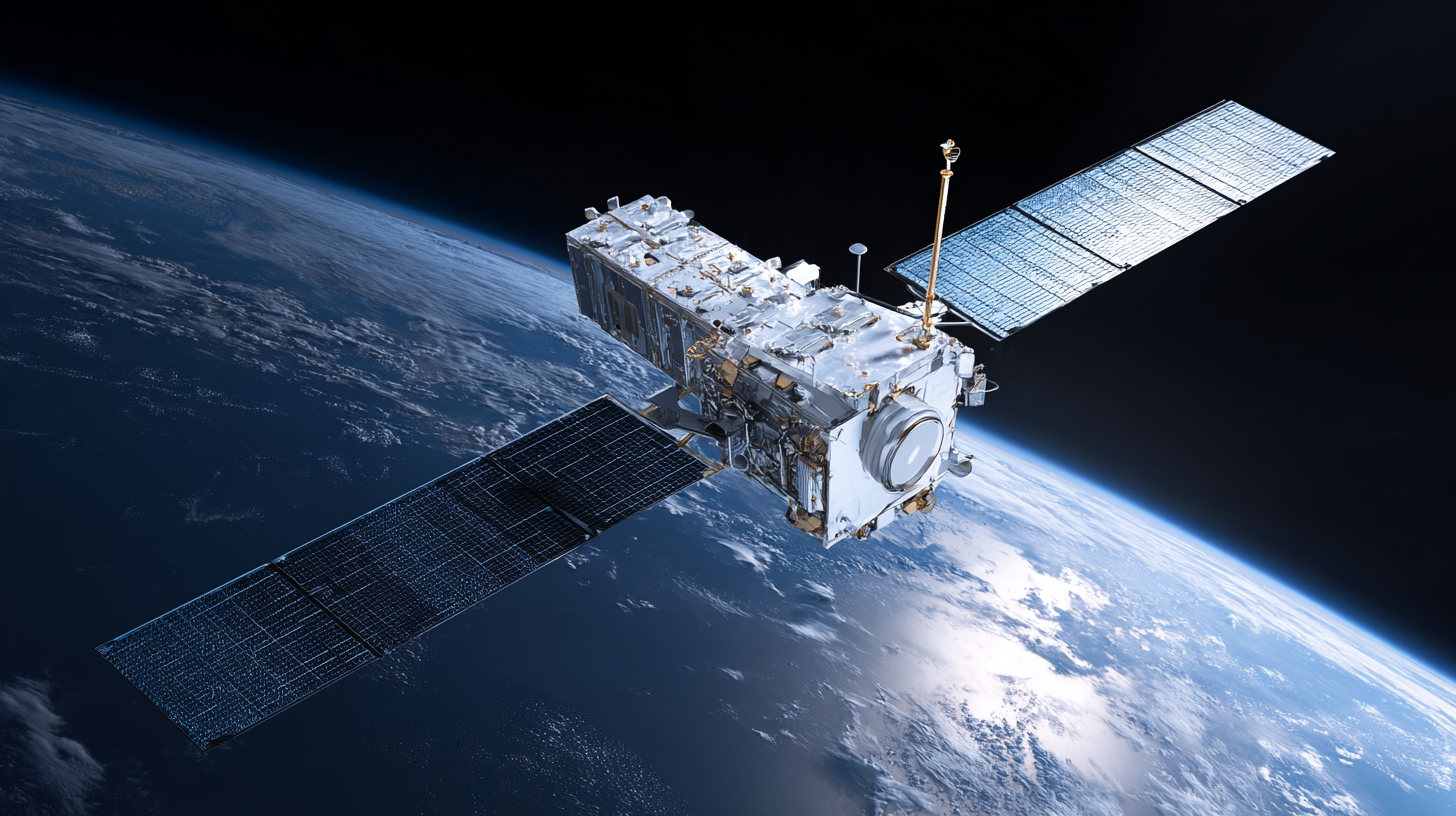
So, it looks like the combo of space-based GPS and Inertial Navigation Systems (or INS, if you’re into the tech lingo) is really set to shake things up in navigation this year. I was reading this recent report from MarketsandMarkets, and get this—the global navigation satellite system (GNSS) market might hit around $60.4 billion by 2025, growing at about 8.6% yearly. Crazy, right? It’s mostly because satellite tech keeps getting better, and there’s a huge jump in the need for super-precise positioning—things like cars, planes, smartphones, you name it—are all riding the wave.

One of the coolest new things popping up are Low Earth Orbit (or LEO) satellite networks—think SpaceX’s Starlink. These satellites are closer to Earth, which means better signals and less lag—huge for stuff like self-driving cars and drones that need real-time info. Plus, these systems are now using fancy sensor fusion algorithms, which basically mean the tech stack is smarter and more reliable. A study from the European GNSS Agency even suggests that by combining GPS and INS, navigation errors could be cut in half. That’s a game-changer, making these combined systems super important for where navigation is headed, no doubt about it.
Advancements in Sensor Fusion for Enhanced Navigation Accuracy
So, in 2023, we've been seeing some pretty exciting progress with how GPS and Inertial Navigation Systems (INS) are coming together. Thanks to advances in sensor fusion—basically blending data from different sensors—navigation gets way more accurate. There's this recent report from Allied Market Research that pretty much predicts the global GPS and INS market will hit around $7.7 billion by 2027, growing at about 8.9% a year. It's no surprise, though—every sector from self-driving cars and planes to ships wants better, more precise navigation tech, and this is really pushing things forward.
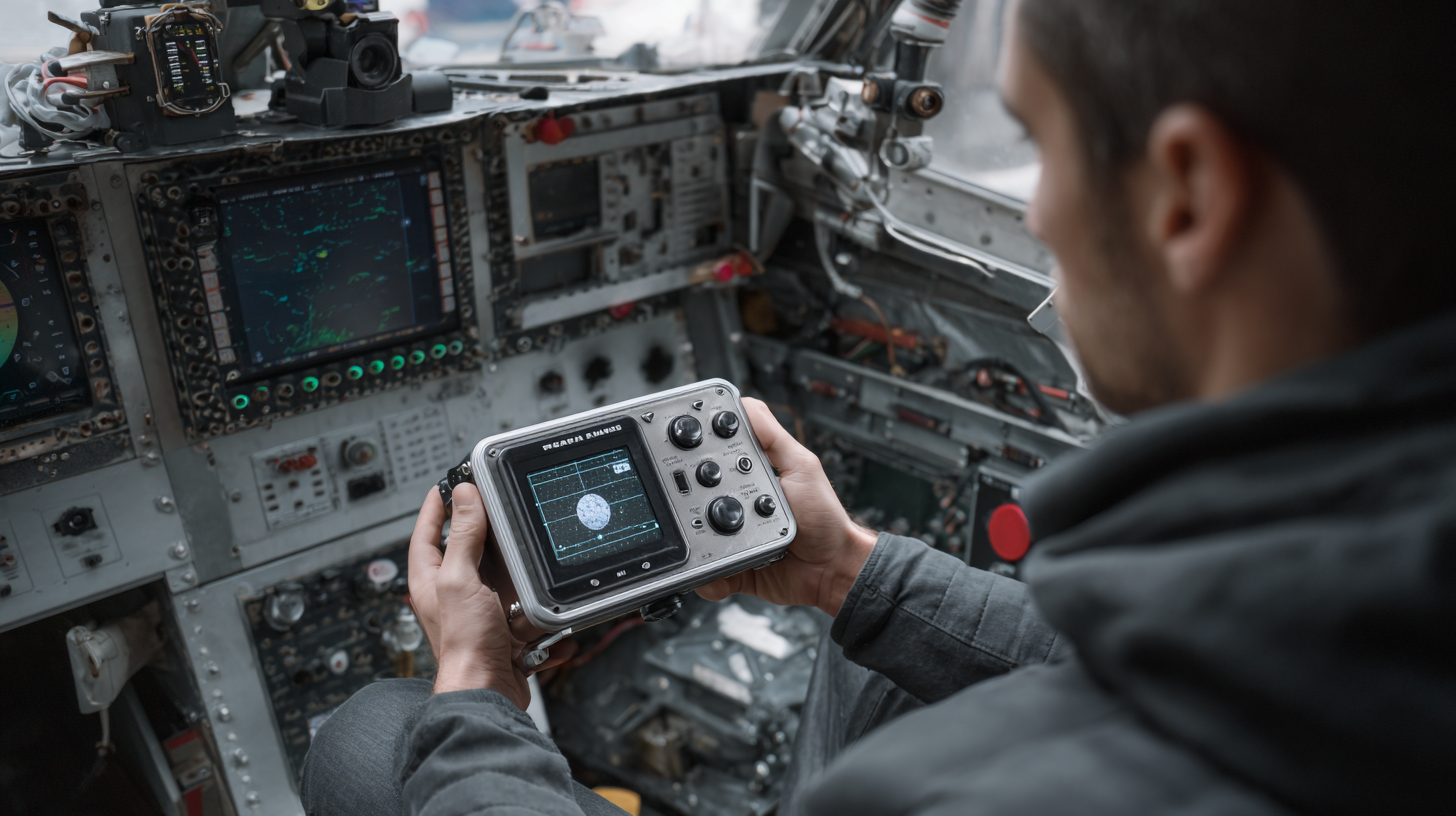
What’s driving this revolution? Enhanced sensor fusion techniques. These are clever algorithms that combine info from all kinds of sensors—like accelerometers, gyroscopes, and GNSS receivers—to make positioning way more pinpointed. The folks at NIST even say that with these improved methods, errors in urban areas can be brought down to less than a meter! That’s a game-changer, especially since cities tend to mess with signals — think multipath errors and blockages. All in all, these advancements don’t just mean more efficiency; they help keep things safer too. So, yeah, advanced sensor fusion is pretty much becoming a key player in the future of navigation tech.
The Role of Artificial Intelligence in GPS INS Systems
You know, in 2023, the way AI is mixing with GPS Inertial Navigation Systems (INS) is honestly a game-changer for navigation tech. These AI algorithms really boost how accurate and reliable GPS INS can be, mainly because they process tons of data from all sorts of sensors. What’s cool is how they can tweak your route in real-time, making navigation way better—especially in tricky spots like city canyons or thick forests where GPS signals often get lost or messed up. So, the combo of AI and INS really helps cut down errors from lost satellite signals, keeping your position accurate and steady.
And it doesn’t stop there. With AI powering predictive analytics, GPS INS systems are getting smarter at planning routes and adjusting on the fly. They analyze past and current data—like traffic jams, weather, and terrain—to spot potential problems before they happen. That means your trips get more efficient and safer too, since the system can dodge obstacles and suggest the best routes dynamically. As AI keeps improving, I genuinely believe this fusion with GPS INS is going to totally rewrite how we navigate—basically making transportation smarter and more reliable, even in the toughest environments.
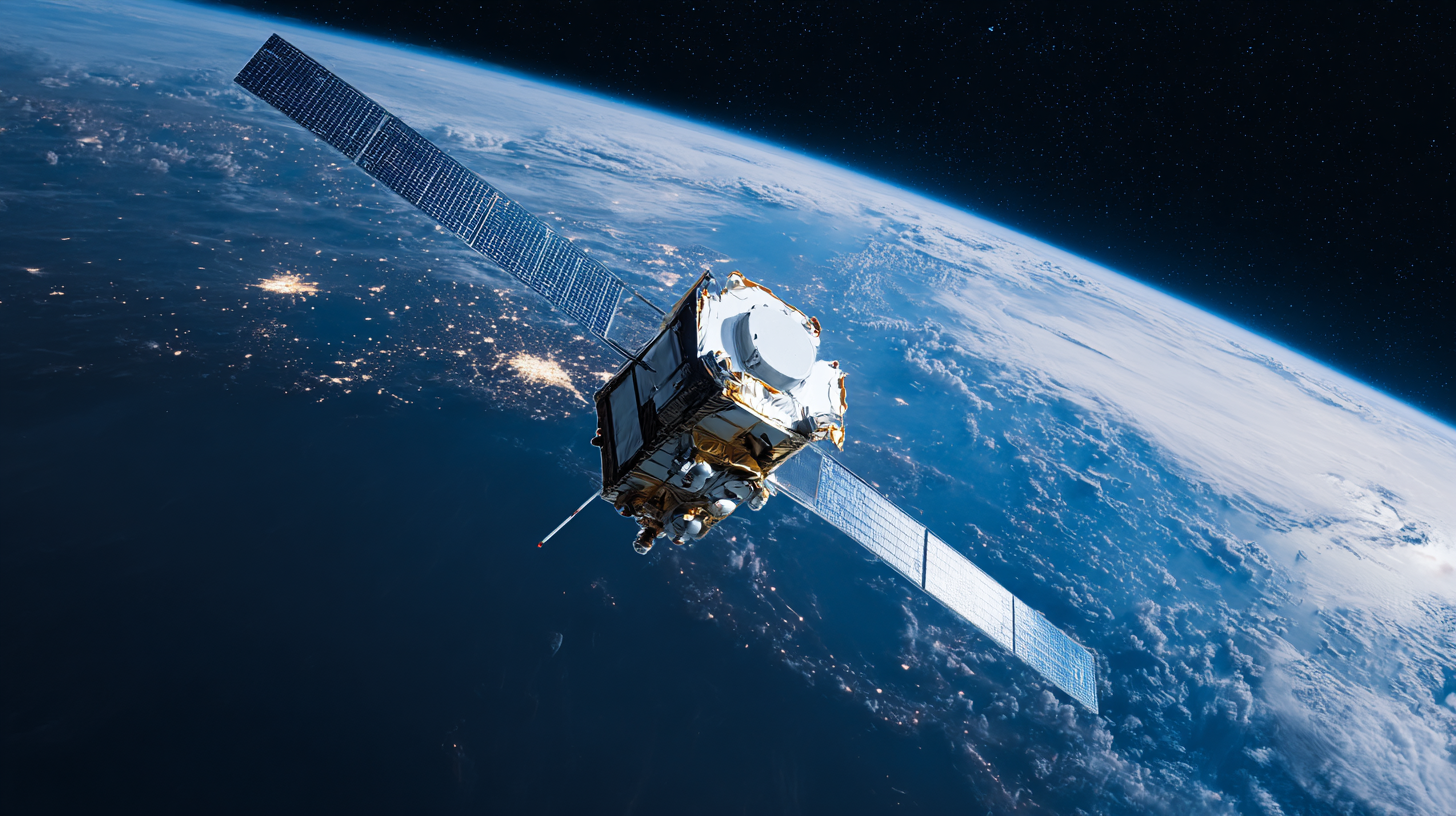
Impact of 5G Connectivity on Navigation Technologies
You know, the rollout of 5G connectivity is really changing the game for navigation tech. It’s not just about faster data speeds, but also about cutting down on delays, making everything feel way more real-time. According to a report from GSMA, these 5G networks could push data rates up to 10 Gbps—that’s like ten times faster than 4G! This huge jump means that systems like GNSS and Inertial Navigation Systems can talk to each other much more quickly, which results in more precise positioning and navigation. Pretty impressive, right?
And here’s the cool part—when 5G gets combined with GPS and INS technology, we’re seeing the start of some pretty exciting stuff like Autonomous Navigation Systems (ANS). MarketsandMarkets predicts that by 2025, the global market for these systems could hit a hundred billion dollars, all thanks to better connectivity. This means devices can communicate more smoothly, which is huge for autonomous cars and drones, since they need that constant, reliable info to stay safe and effective. Basically, it’s not just about faster speeds; it’s about building a stronger, more connected infrastructure that supports a future where precision and dependability really matter.
Applications of Integrated GPS INS in Various Industries
You know, in 2023, the way GPS and Inertial Navigation Systems (or INS) come together is really shaking up a bunch of industries. It’s like having a super reliable, pinpoint-accurate navigation buddy that you can count on. Taking the front seat in all of this is the aerospace world — they’re really pushing to make flights safer and navigation way more precise by using integrated GPS INS. I read somewhere, a report from Market Research Future, that the global market for these combined systems might hit about $3.06 billion by 2025. That’s mainly thanks to better satellite tech and the crazy growth in autonomous systems we're seeing these days. Pretty wild stuff, right?
And it’s not just in the skies — the car industry is all in on this tech too. Self-driving cars, for example, really rely on this combo of GPS and INS to get a better grasp of their surroundings. This means smarter route decisions and, hopefully, safer rides. A study from the International Data Corporation mentioned that the market for autonomous vehicles might grow by over 20% a year — which is huge! It just goes to show how essential this tech is becoming in our everyday lives.
A little tip, though: for industries wanting to make the most of GPS INS, it’s a smart move to invest in training for their teams so they truly understand how this magic works. And don’t forget, keeping the software updated regularly is key to making sure everything runs smoothly and safely. It’s all about staying ahead of the game!
Future Prospects: Next-Generation GPS INS Solutions and Trends
The future of navigation is really being reshaped by these next-gen GPS and INS solutions. They're becoming a pretty big deal across different industries because of how much more accurate and reliable they’ve become. Looking ahead to 2032, it’s expected that the global inertial navigation system market will grow a lot — jumping from about $13.65 billion in 2025 to an eye-popping $24.28 billion. That’s roughly an 8.6% yearly growth, which shows just how much demand there is for smarter, more sophisticated navigation tech these days.
One of the coolest trends fueling this boom is how space-based tech is now getting mixed into GPS INS setups. These new advancements aim to deliver even better precision, especially in tough environments where traditional systems sometimes struggle. Thanks to new algorithms and AI, the way satellite data and inertial measurements are combined is totally transforming navigation—not just in aerospace and defense, but also in self-driving cars and other autonomous tech. As these innovations keep evolving, they’re really set to shape the next chapter in navigation tech, making everything safer and more efficient in our increasingly connected world.
5 Top Trends in Space Integrated GPS INS Technology Revolutionizing Navigation in 2023
This chart illustrates the top five trends in Space Integrated GPS INS technology impacting navigation in 2023. The trends are evaluated on a scale from 1 to 10, highlighting their respective impacts on accuracy, latency, resilience, integration with IoT, and cost efficiency.
Navigating the Future: Harnessing the Power of GPS-Denied Area Integrated INS1700 for Anti-Jamming Position Navigation
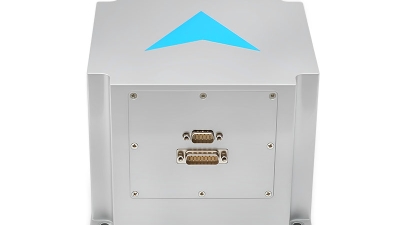
In an era where precision is paramount, especially in GPS-denied environments, the Poseidon INS1700 High-Precision Integrated Navigation System transforms the landscape of position navigation. Unlike traditional systems, which rely heavily on satellite signals, the Poseidon INS1700 harnesses the power of fiber optic gyroscopes (FOG) and MEMS accelerometers, combined with multi-system satellite navigation (including GPS, BDS, GLONASS, and Galileo), to deliver unmatched reliability and accuracy. This capability is crucial for applications across various sectors, particularly for autonomous vehicles used in inspection and maintenance tasks, allowing them to function seamlessly even when conventional GPS signals are unavailable.
Industry estimates highlight that approximately 30% of navigation failures in autonomous systems occur due to jamming or a lack of GPS signals. The Poseidon INS1700 addresses this concern head-on by providing real-time data on critical metrics such as heading, attitude, speed, position, angular rate, and acceleration. This functionality empowers operators to proactively identify potential issues, significantly reducing human intervention while increasing operational efficiency. With its compact design and low power consumption, this integrated INS not only boosts navigation reliability but also supports external sensors, such as odometers and USBL, making it an ideal choice for modern autonomous applications.
As industries increasingly prioritize automation and autonomous solutions, the ability to maintain operational integrity in GPS-denied areas has never been more critical. The Poseidon INS1700 stands out as a pioneering tool, equipping organizations with the technological advancements necessary to navigate these challenging environments while minimizing disruptions and enhancing safety.
FAQS
rtificial Intelligence in GPS INS systems?
AI helps mitigate errors caused by satellite signal loss, ensuring consistent and precise positioning in areas where traditional GPS may falter, such as urban canyons or dense forests.
Predictive analytics enables smarter route planning and adaptive navigation by analyzing historical and real-time data on traffic patterns, weather, and terrain.
By optimizing travel routes and anticipating obstacles, AI reduces the risk of accidents, making transportation safer for users.
The GPS INS market is expected to grow from $13.65 billion in 2025 to $24.28 billion by 2032, reflecting an annual increase of 8.6%.
The integration of space-based technologies and advanced algorithms into GPS INS systems is significantly improving navigation precision in challenging environments.
These technologies are set to transform industries such as aerospace, defense, and autonomous vehicles by enhancing navigation accuracy and reliability.
Innovative algorithms facilitate the seamless integration of satellite data with inertial measurements, improving overall navigation capabilities.
Traditional GPS systems may struggle in environments with poor satellite signal availability, which AI helps to navigate more effectively.
As AI continues to evolve, its integration into GPS INS technology will lead to intelligent transport systems capable of navigating complex environments more efficiently.
Conclusion
Hey, so 2023 has really shaken up the world of navigation tech, mainly thanks to this cool thing called Space Integrated GPS INS systems. I mean, these space-based GPS and inertial navigation systems are getting way better — more accurate, more reliable — all because of smarter sensor fusion techniques. And AI? That's playing a huge role too, making data processing smoother and helping systems make smarter decisions on the fly. Plus, with 5G spreading like wildfire, our real-time navigation is about to get a serious boost.
There’s a lot happening across different industries — from self-driving cars to aerospace — all taking advantage of these high-tech GPS INS solutions. Companies like Poseidon International Group are working hard on fiber optic gyroscopes and next-level inertial navigation systems, so honestly, the future looks super promising. All in all, these advancements in Space Integrated GPS INS are pretty much set to change the game, opening up tons of new possibilities in lots of sectors. It’s an exciting time for navigation tech, no doubt!

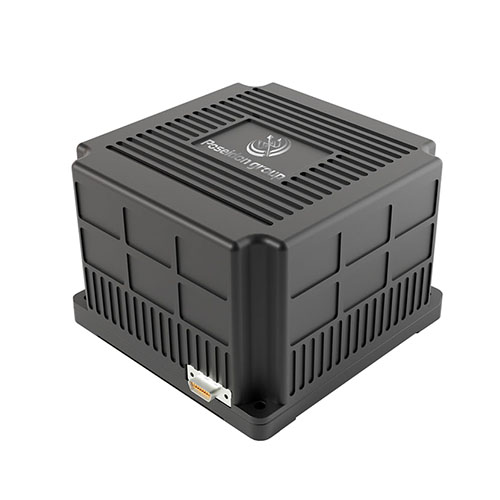 TBSD60
 BSD120
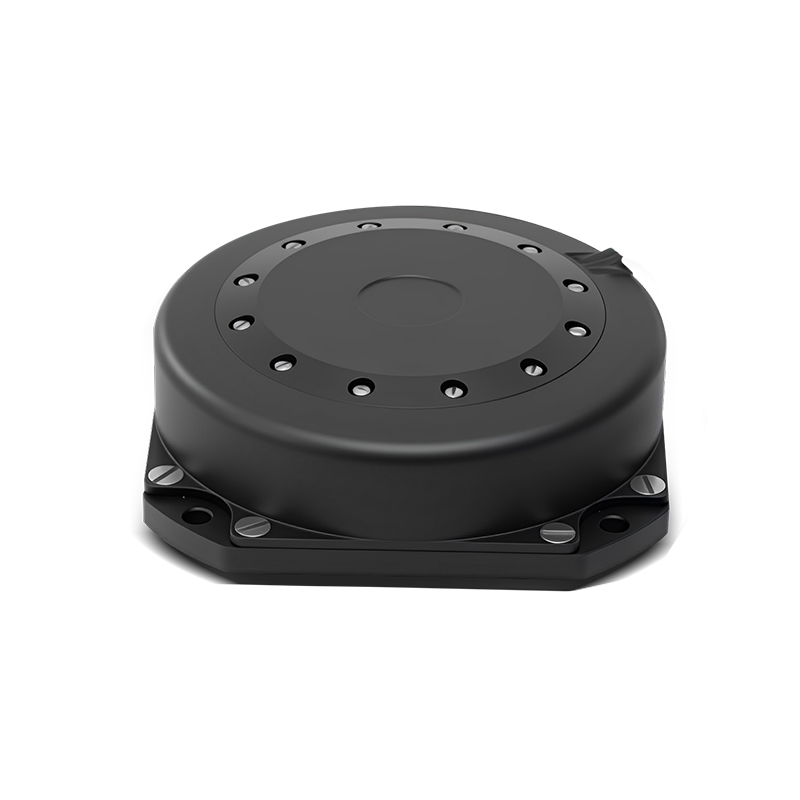 BSD98
BSD98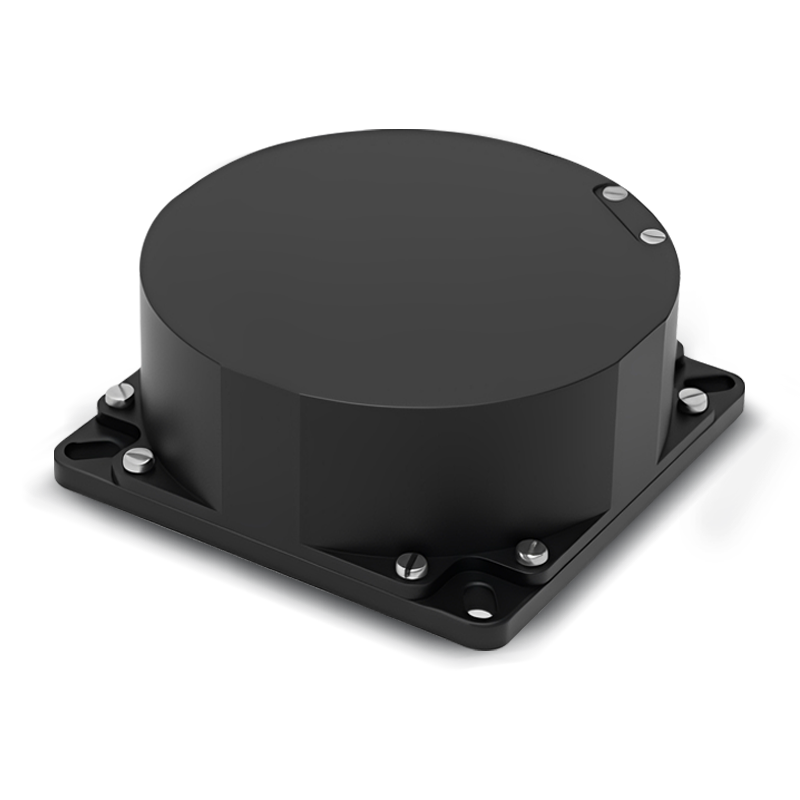 BSD70
BSD70 BSD60
BSD60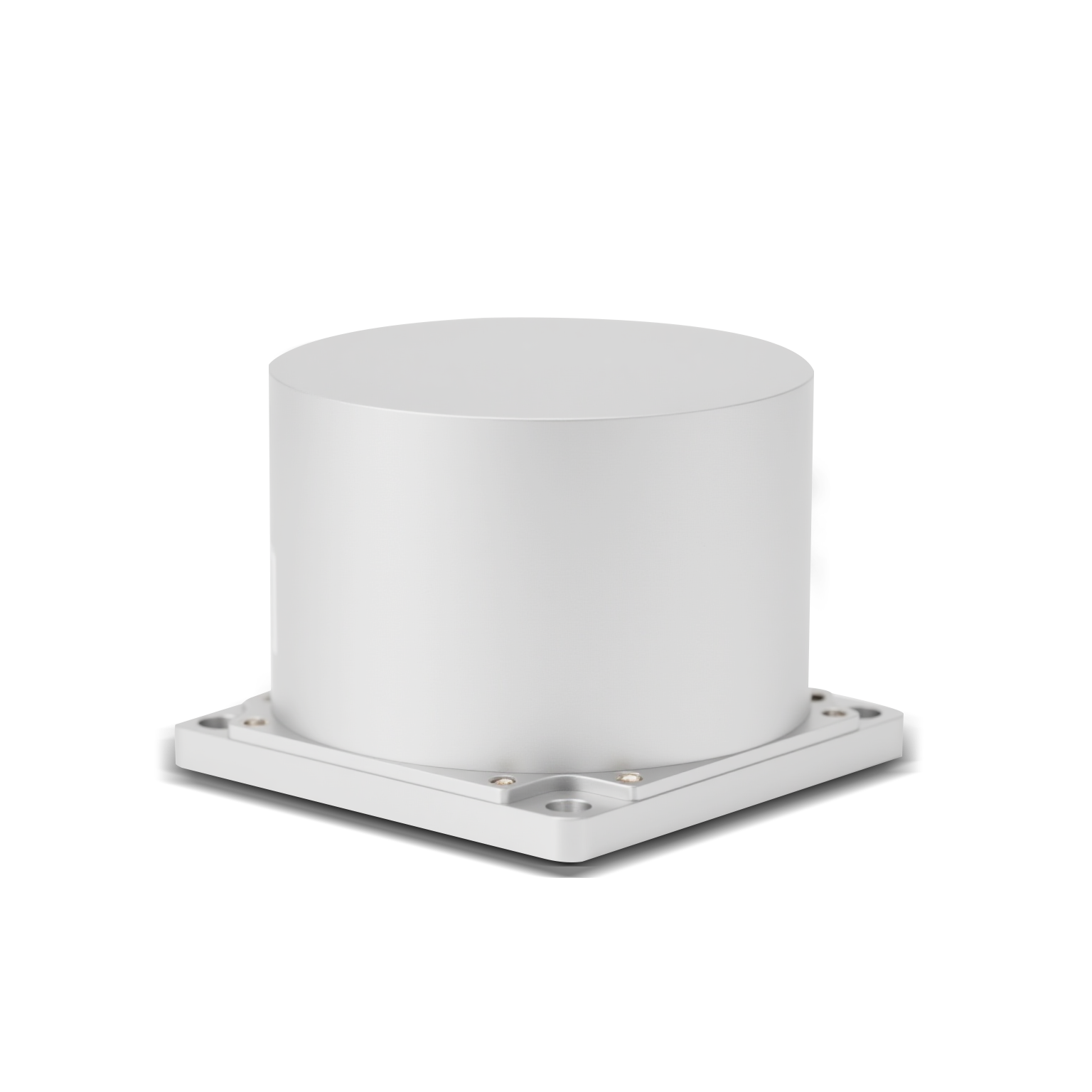 BSD50
BSD50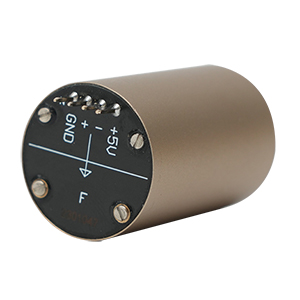 BSD217
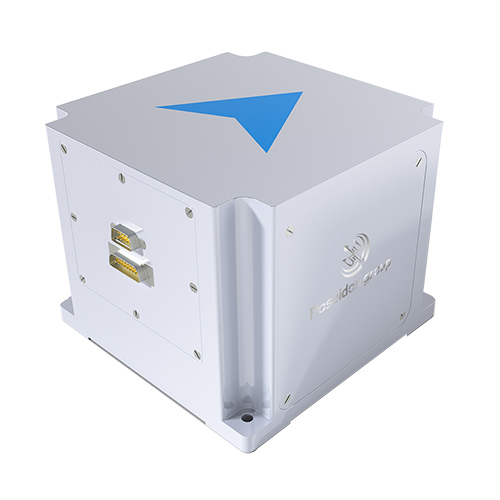 INS1700
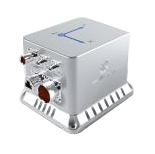 INS970
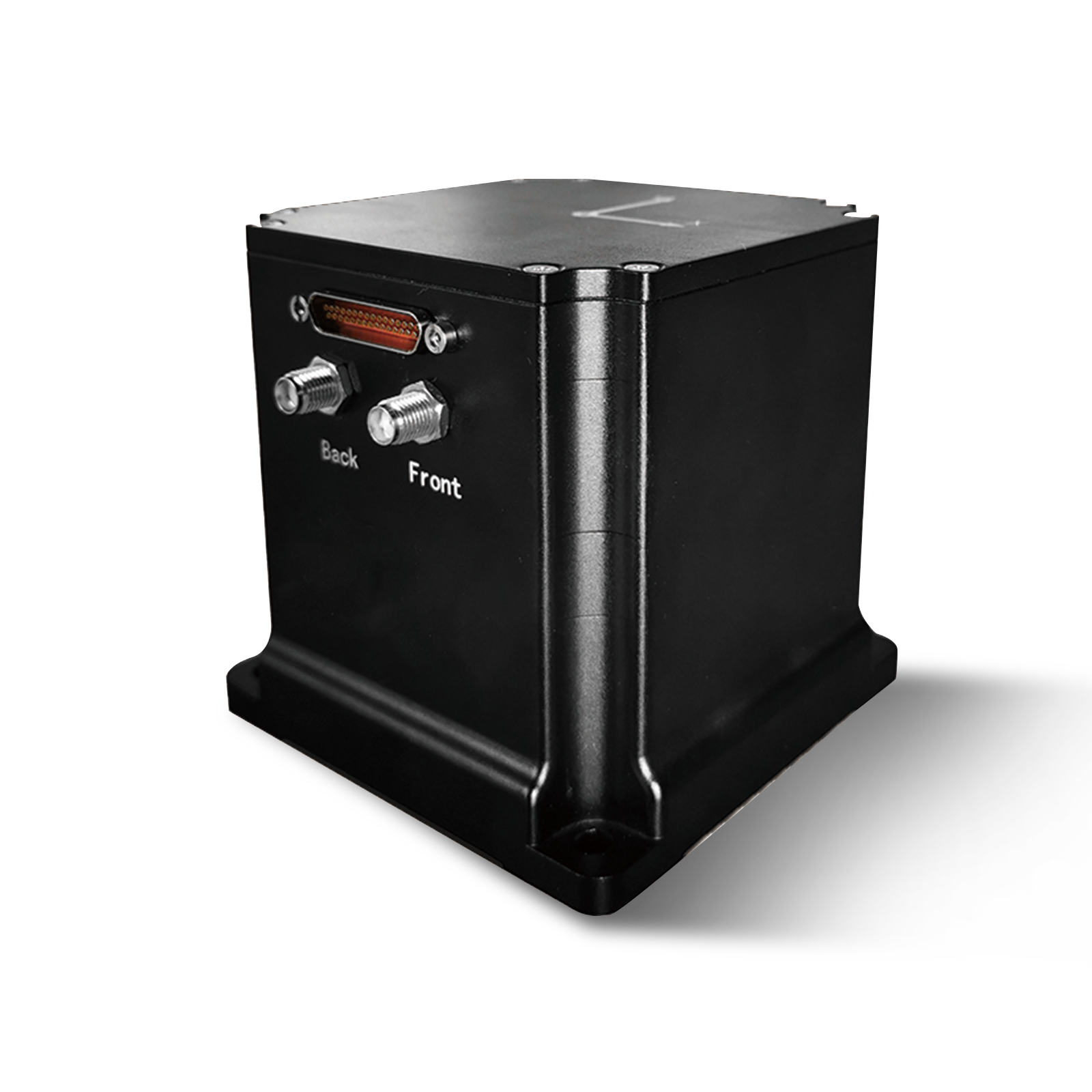 INS570
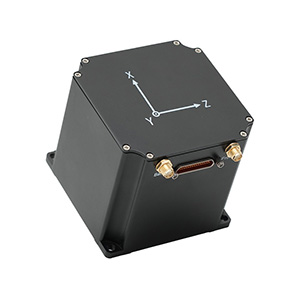 INS170
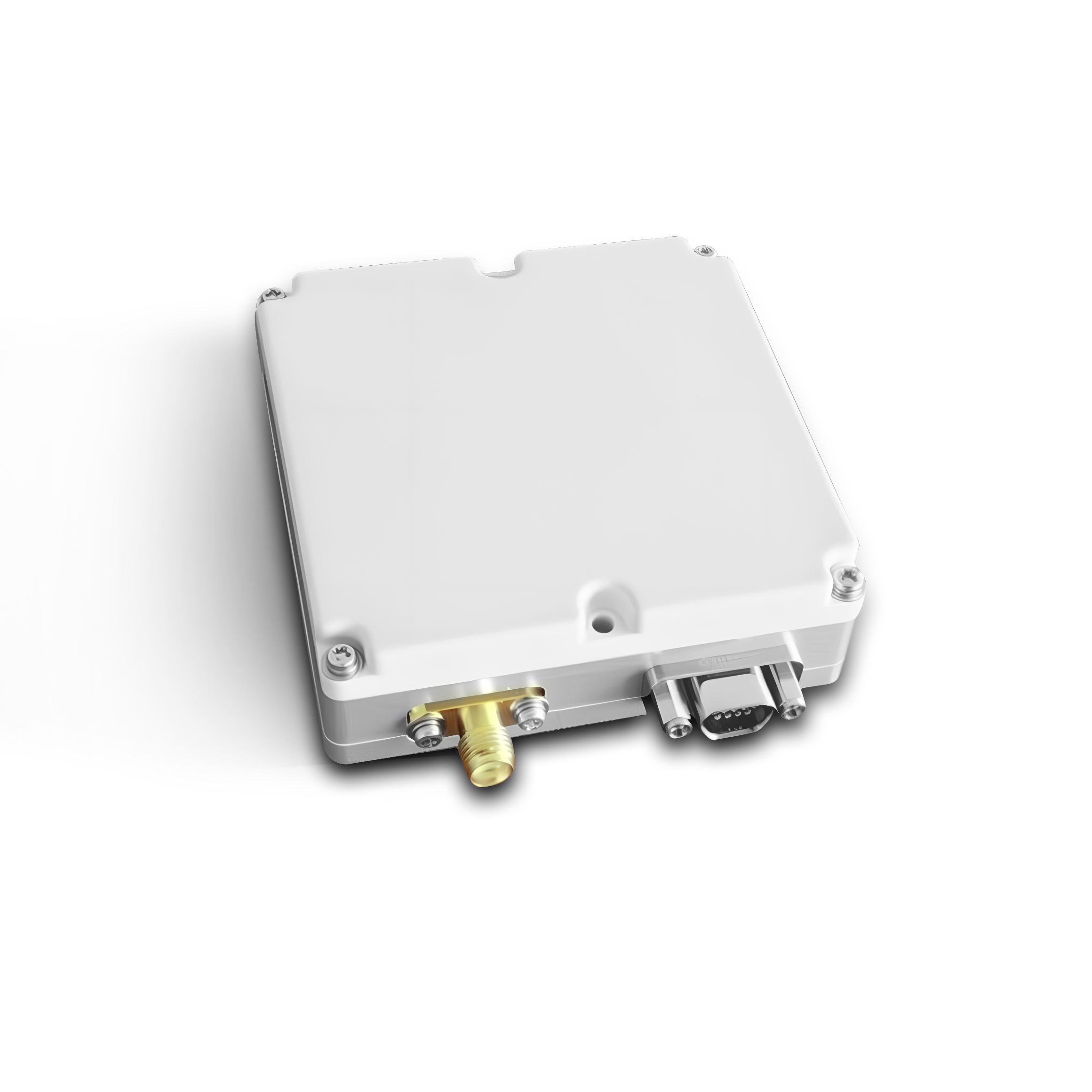 SLA-4B1L1-65
 SLA-4B1L1-130
 SLA-8B1L1-165
 DIVER 101
 DIVER 102
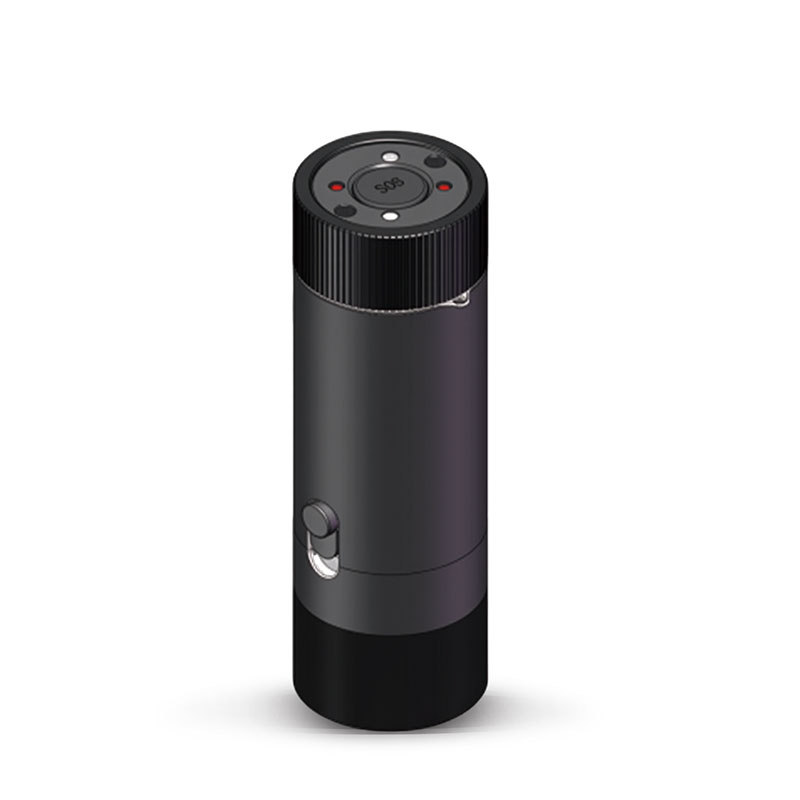 DIVER 103
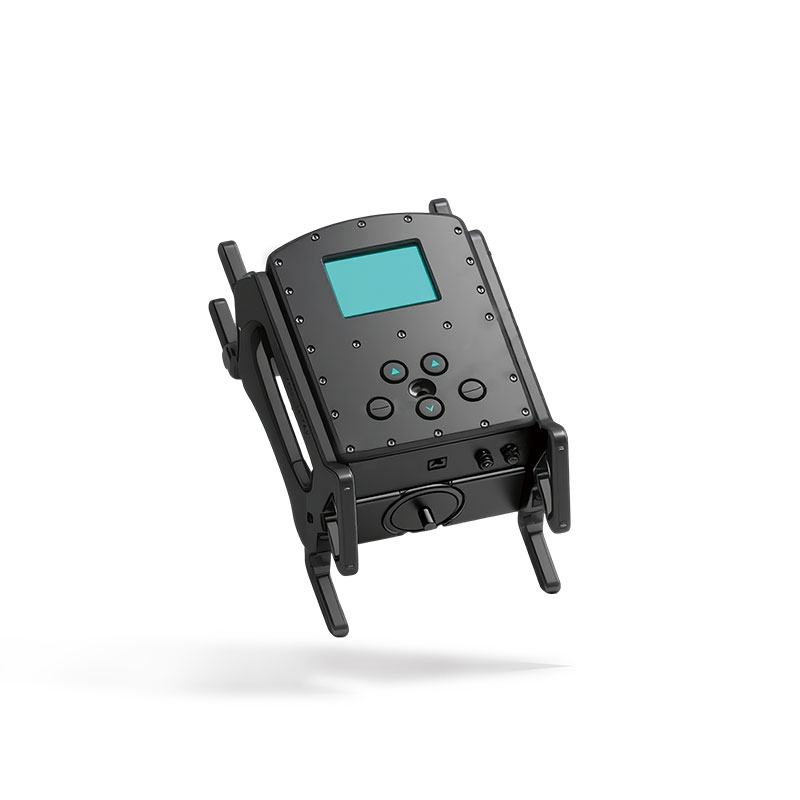 DIVER 104
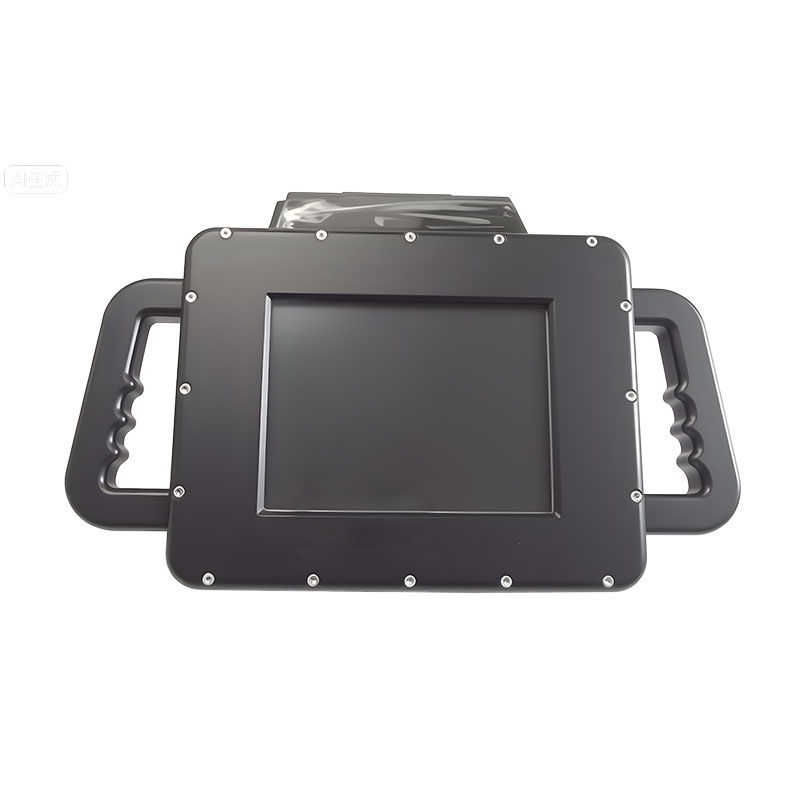 DIVER 105
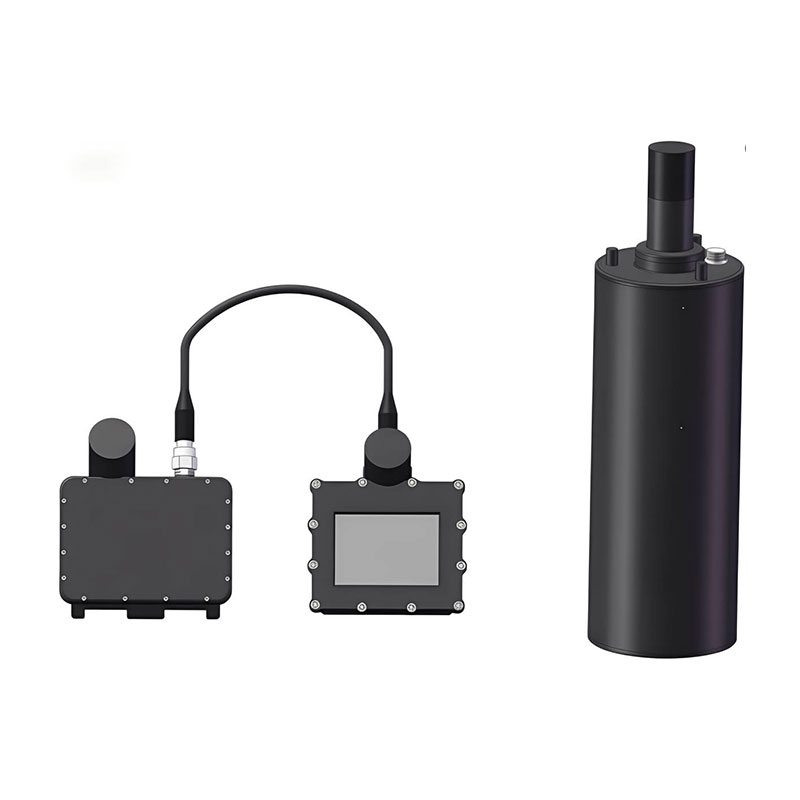 DIVER 106
 SLLR3000
 SLLR905
 SLLD25
 160M
160M 170M
170M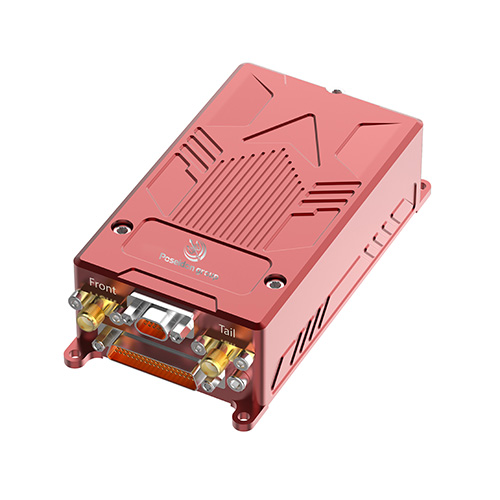 SLFC-70
 SLAF280
 MR360
MR360